Termite Inspection & Wood-Destroying Insect Report (WDIR) in Greenville, NC
If you are buying, selling, refinancing, or protecting a home in Greenville, North Carolina, a professional termite inspection can reveal visible evidence of termites and other wood-destroying insects before a small problem becomes a much larger concern. D & D Pest Control Co. provides professional termite inspections and North Carolina Wood-Destroying Insect Reports (WDIR) for properties throughout Greenville, Pitt County, and nearby Eastern North Carolina communities.
A North Carolina WDIR is more than a quick look for termites. The inspection focuses on accessible areas of the structure for visible evidence of wood-destroying insects, previous infestation, structural conditions that may encourage subterranean termite activity, and areas that could not be inspected. For real-estate transactions, the findings are documented on the official North Carolina Wood-Destroying Insect Information Report.
If you need a termite inspection or WDIR for an upcoming real-estate transaction, call (252) 523-8255 or use our online contact page to request scheduling.
Related termite services:
Termite Control in Greenville, NC |
Termidor Termite Treatment |
New Construction Termite Pre-Treatment |
Crawlspace Moisture Control
What Is a North Carolina Wood-Destroying Insect Report?
The North Carolina Wood-Destroying Insect Information Report, commonly called a WDIR or WDIR-100, is the official state report used to document visible evidence of wood-destroying insects in structures involved in real-estate transactions.
The inspection is performed by examining accessible portions of the building and looking for evidence of current or previous wood-destroying insect activity. Accessible structural members in areas particularly susceptible to infestation may also be sounded or probed when appropriate.
The WDIR is designed to report what can reasonably be observed at the time of the inspection. It is important to understand what that means:
- It is not a guarantee that hidden termites or other wood-destroying insects do not exist.
- It is not a warranty against a future infestation.
- It is not simply a “termite clearance letter.”
- It reports visible evidence in accessible areas of the structure.
- It identifies inspection limitations and inaccessible areas when required.
- It can document conditions conducive to subterranean termite activity.
Homebuyers, sellers, real-estate professionals, and property owners who want additional information about the state report can review the North Carolina Department of Agriculture & Consumer Services Homebuyer’s Guide to the WDIR.
Termite Inspection vs. WDIR: What Is the Difference?
The phrases termite inspection and WDIR inspection are often used interchangeably, but they are not exactly the same thing.
| Inspection Type | Primary Purpose | Typical Use |
|---|---|---|
| WDIR / Wood-Destroying Insect Inspection | Document visible evidence of qualifying wood-destroying insects and reportable conditions using the official North Carolina form. | Home purchase, sale, refinancing, lender or closing requirements. |
| Routine Termite Inspection | Evaluate a property for visible termite evidence, termite risk factors, moisture conditions, and possible treatment or prevention needs. | Annual monitoring, homeowner protection, previous termite history, or suspected activity. |
If you are not involved in a real-estate transaction but want to monitor your home for termite activity, see our guide to annual termite inspections in Greenville, North Carolina.
What Wood-Destroying Insects Can Be Reported?
A WDIR is not limited to subterranean termites. The inspection concerns qualifying wood-destroying insects and visible evidence associated with them.
Wood-destroying insects that may be encountered in North Carolina structures include:
- Subterranean termites
- Powderpost and other wood-boring beetles
- Old house borers
- Carpenter ants
- Carpenter bees when applicable
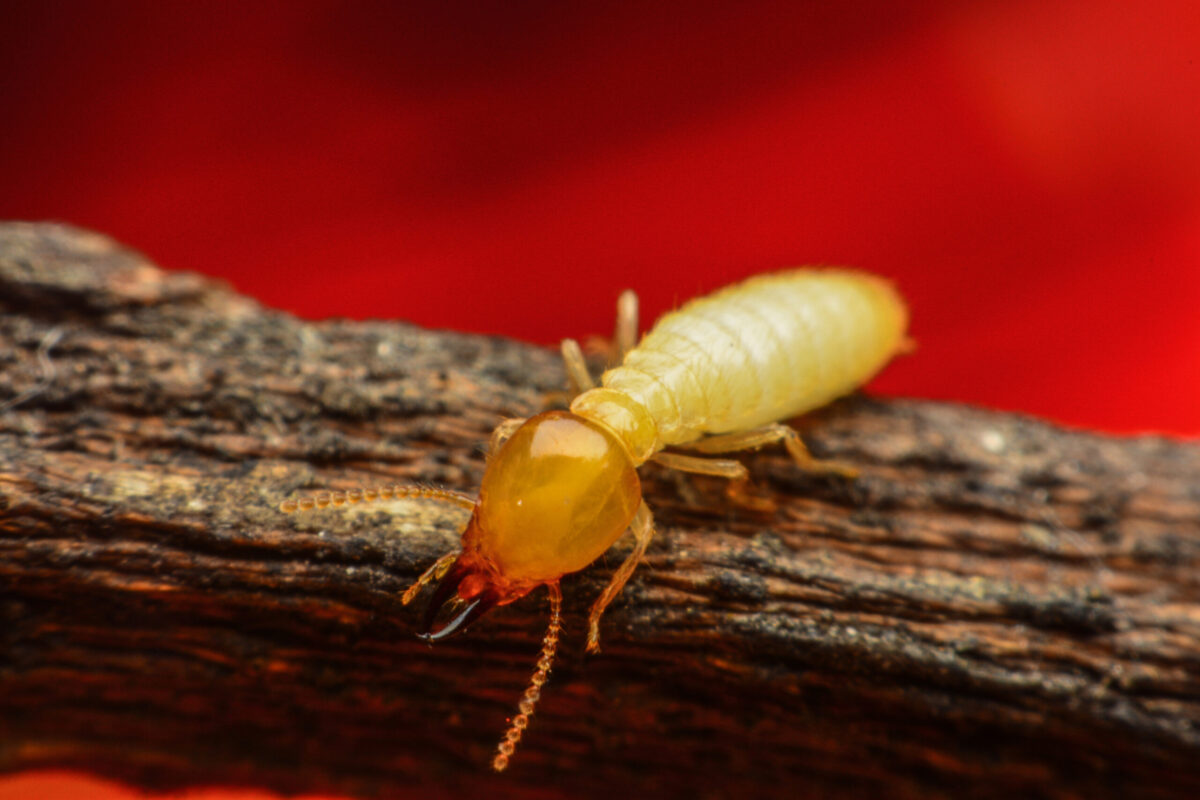
Eastern subterranean termites are an especially important concern for homes throughout North Carolina. These termites live primarily underground and can travel from the soil into a structure through protected shelter tubes. Their activity may remain concealed inside wood, wall systems, flooring, or other areas that cannot be visually examined during a normal inspection.
For additional educational information about termite behavior, warning signs, monitoring, and management in North Carolina, visit NC State Extension’s guide to Eastern subterranean termites.
Signs of Termites We Look For During an Inspection
Termite evidence is not always obvious. One reason professional inspection is valuable is that activity may be concentrated in crawlspaces, foundation areas, behind finishes, or in other locations homeowners rarely examine.
Depending on the construction and accessibility of the property, visible evidence may include:
- Mud or shelter tubes on foundation walls, piers, masonry, or structural members
- Live subterranean termites
- Termite swarmers or reproductive termites
- Discarded wings around windows, doors, crawlspaces, garages, or other areas
- Damaged structural wood or other cellulose materials
- Wood that appears soft, hollow, blistered, layered, or weakened
- Evidence of previous termite activity or previous treatment
- Powder, frass, exit holes, or other evidence associated with wood-boring insects
- Carpenter-ant or carpenter-bee activity where applicable
Visible damage does not always indicate that insects are currently active, and the apparent age of termite damage generally cannot be determined simply by looking at the wood. The purpose of the inspection is to document observable evidence accurately rather than make unsupported assumptions.
What Areas Are Examined During a WDIR?
A proper wood-destroying insect inspection requires access to the portions of the property that can reasonably be inspected. The exact inspection depends on the home’s construction, foundation type, accessibility, and property conditions.
Areas may include:
- Exterior foundation walls and accessible perimeter areas
- Crawlspace foundation walls and piers
- Accessible sill plates, band joists, girders, joists, subflooring, and other structural wood
- Accessible basement areas
- Slab edges and susceptible areas adjacent to masonry when accessible
- Interior baseboards, trim, windows, doors, and other visible areas where evidence may appear
- Attached garages
- Permanently attached porches and decks
- Permanently attached storage areas or similar structural components
- Accessible plumbing penetrations and areas where moisture may be present
What About Detached Garages, Workshops, and Storage Buildings?
Detached outbuildings are not automatically part of every North Carolina WDIR inspection. If the property includes a detached garage, workshop, barn, storage building, or other structure that needs to be inspected, tell us when scheduling so the scope of the inspection can be confirmed before the appointment.
What Areas May Be Inaccessible?
A WDIR cannot reveal insects or damage that cannot be seen or accessed during the inspection. Finished construction and stored belongings can conceal important portions of a structure.
Examples of areas that may be inaccessible or concealed include:
- Inside finished walls
- Beneath carpeting and finished flooring
- Behind permanently installed cabinets or wall coverings
- Areas blocked by stored belongings
- Crawlspaces with inadequate entry or extremely limited clearance
- Structural members concealed by insulation
- Areas that would require destructive removal of building materials
This is why a WDIR should be viewed as a professional report of visible and accessible conditions on the date of inspection, rather than a guarantee that no concealed infestation exists.
Conditions Conducive to Subterranean Termites
An important part of a North Carolina WDIR is identifying visible conditions that may make a structure more favorable to subterranean termites.
Examples may include:
- Wood or other cellulose materials directly contacting soil
- Wood debris or cellulose debris beneath a structure
- Excessively wet structural wood
- Persistent crawlspace moisture
- Plumbing leaks or other sources of water
- Poor drainage or water accumulation near the foundation
- Insufficient clearance between soil and vulnerable structural wood
A conducive condition does not automatically mean that termites are present. It means the condition can make termite access, survival, or detection more difficult and may deserve correction.
For homes with persistent dampness, standing water, high crawlspace humidity, or drainage concerns, learn more about our crawlspace moisture control services in Greenville, NC.
Why Moisture Matters During a Termite Inspection
Subterranean termites depend on moisture. In Greenville and throughout Eastern North Carolina, crawlspaces, plumbing leaks, condensation, drainage problems, and moisture-damaged wood can create conditions that deserve close attention during a termite inspection.
Moisture problems are important for another reason: damaged or damp structural materials can make it harder for a homeowner to distinguish between insect damage, decay, staining, and other building problems without professional evaluation.
Correcting moisture does not replace termite treatment when treatment is required, but reducing persistent moisture and eliminating wood-to-soil contact can be important parts of an overall termite-prevention strategy.
When Should You Schedule a Termite Inspection or WDIR?
Buying a Home
A professional WDIR can provide valuable information before a real-estate transaction is completed. If your lender, attorney, real-estate professional, or loan program requires termite documentation, confirm exactly what report is needed and when it must be completed.
Selling a Home
A seller may choose to obtain a termite inspection before listing or during the transaction so visible wood-destroying insect evidence and conducive conditions can be addressed before closing deadlines become tight.
Refinancing
Some refinancing transactions may request wood-destroying insect documentation. Requirements can vary, so homeowners should verify the lender’s requirements before ordering the inspection.
You See Mud Tubes or Termite Swarmers
Mud tubes, discarded wings, swarming termites, or suspicious wood damage are good reasons to schedule an inspection even when no real-estate transaction is involved.
Your Home Has Previous Termite History
Homes with previous termite activity or previous termite treatment can benefit from continued monitoring. For ongoing homeowner protection rather than a real-estate transaction, review our information about annual termite inspections.
How to Prepare for Your Greenville WDIR Inspection
Good access helps the inspector perform a more complete examination. Before the appointment, consider the following:
- Make the crawlspace entrance accessible. Remove objects blocking the hatch or entry point.
- Move stored items where practical. Boxes, furniture, and belongings placed directly against walls can restrict visual inspection.
- Unlock gates, garages, and accessible exterior areas.
- Tell us about previous termite treatments. Existing treatment records can provide useful background information.
- Identify suspicious areas. Let the inspector know where you have seen mud tubes, swarmers, wings, leaks, or damaged wood.
- Request detached structures in advance. Tell us if a detached garage, workshop, shed, or other separate building needs to be included.
- Provide access to the entire structure whenever possible. Limited access can result in inspection limitations being noted on the report.
What Happens If Termite Evidence Is Found?
Finding termite evidence does not mean a real-estate transaction automatically stops. The purpose of the WDIR is to accurately report what was observed.
If visible evidence of termites or another wood-destroying insect is discovered, the report identifies the evidence and its location as required. Depending on the findings, additional steps may include:
- Professional termite treatment
- Evaluation of previous treatment records
- Correction of moisture or wood-to-soil contact
- Removal of cellulose debris
- Additional access to previously inaccessible areas
- Evaluation or repair of damaged structural components by an appropriately qualified building professional
If termite treatment is appropriate, D & D Pest Control Co. can explain available options based on the structure and inspection findings. Learn more about our termite control services in Greenville and our Termidor termite treatment options.
Termite Inspection vs. Termite Treatment
An inspection and a treatment serve two different purposes.
A termite inspection determines whether visible evidence of activity, previous infestation, damage, or conducive conditions can be identified.
A termite treatment is performed when professional termite control or preventive protection is appropriate for the property.
A home should not automatically receive treatment simply because an inspection was requested. The appropriate next step depends on the evidence, existing termite protection, construction type, property conditions, and the customer’s goals.
For homes still under construction, visit our new construction termite pre-treatment page.
Termite Inspection Near Me in Greenville & Pitt County, NC
Searching for a termite inspection near Greenville, NC or a WDIR in Pitt County? D & D Pest Control Co. provides professional wood-destroying insect inspections for homeowners, buyers, sellers, real-estate professionals, property managers, and lenders throughout the Greenville area.
Our local service area includes Greenville and nearby Pitt County communities such as Winterville, Ayden, Farmville, Grifton, Simpson, and surrounding areas. Eastern North Carolina homes commonly include crawlspaces, slab foundations, attached garages, porches, decks, and other construction details that can create different termite inspection challenges from one property to another.
Because subterranean termites travel from soil into structures and often remain concealed, local inspections pay particular attention to accessible foundation areas, crawlspaces, moisture conditions, wood-to-soil contact, attached structural components, and other locations where visible evidence may develop.
Local Termite & Pest Control Service Areas
- Termite Inspection & Pest Control in Greenville, NC
- Pest Control in Winterville, NC
- Pest Control in Ayden, NC
- Pest Control in Farmville, NC
- Pest Control in Grifton, NC
If your property is located elsewhere in Pitt County or nearby Eastern North Carolina, contact our office to confirm service availability.
Local scheduling: Call (252) 523-8255 or request a termite inspection online.
Why Choose D & D Pest Control Co. for Your WDIR?
A real-estate termite inspection requires careful observation, accurate identification, proper documentation, and a clear understanding of what the report does—and does not—represent.
- North Carolina licensed structural pest control company
- NC Structural Pest Control License #1274 PW
- Local service throughout Greenville and Pitt County
- Experience with crawlspace and slab-foundation properties
- Wood-destroying insect inspection and identification
- Termite treatment options when treatment is appropriate
- Crawlspace moisture evaluation and moisture-control services
- Clear communication with homeowners and real-estate clients
For additional termite and Wood-Destroying Insect Report information throughout Eastern North Carolina, you can also visit the D & D Pest Control Co. WDIR resource.
If you are purchasing a property and also need a complete residential home inspection, visit D & D Home Inspection Services. A home inspection and a WDIR serve different purposes, and one should not be considered a replacement for the other.
Frequently Asked Questions About Termite Inspections & WDIR Reports
What is a WDIR in North Carolina?
A WDIR is the North Carolina Wood-Destroying Insect Information Report used to document visible evidence of qualifying wood-destroying insects in structures involved in real-estate transactions. The inspection addresses accessible portions of the property and can also identify conditions conducive to subterranean termites. It is not a guarantee that concealed insects or damage do not exist.
Is a WDIR the same as a termite inspection?
Not exactly. A WDIR includes an inspection for termites but covers other wood-destroying insects as well. A routine termite inspection may be performed for homeowner monitoring or treatment purposes without a real-estate transaction. When a property transaction requires the official North Carolina report, the WDIR is the appropriate document.
Does a WDIR guarantee that a home is termite-free?
No. A WDIR documents visible evidence in accessible areas at the time of inspection. Termites may exist inside walls, beneath flooring, behind insulation, or in other concealed areas that cannot be examined without destructive investigation. The report is therefore not a warranty or guarantee against hidden or future infestation.
What insects can appear on a Wood-Destroying Insect Report?
The report can address evidence associated with wood-destroying insects such as subterranean termites, powderpost or other wood-boring beetles, old house borers, carpenter ants, and sometimes carpenter bees. The exact findings depend on what evidence is present at the property.
Are detached garages and sheds included in the termite inspection?
Detached structures are not routinely included automatically in every WDIR. If you need a detached garage, workshop, storage building, barn, or other separate structure inspected, request it when scheduling so the inspection scope can be confirmed in advance.
Will a termite inspection find termites inside walls?
A normal WDIR is a visual inspection of accessible areas and does not involve opening finished walls simply to search for termites. Evidence may sometimes indicate activity near concealed areas, but the report cannot guarantee that insects are absent from inaccessible wall voids, flooring systems, or other hidden construction.
How long is a WDIR valid?
The WDIR describes conditions observed on the date of inspection rather than guaranteeing the property for a fixed period. Lenders, attorneys, buyers, and loan programs may have their own timing or acceptance requirements. If the report is being ordered for a closing or refinance, confirm the required timing with the party requesting it before scheduling.
What happens if termites are found during the inspection?
Visible evidence is documented on the report. If treatment is appropriate, available termite-control options can then be discussed. When structural damage is present or suspected, evaluation by an appropriately qualified building or construction professional may also be recommended because a WDIR is not a structural engineering report.
Does crawlspace moisture increase termite concerns?
Moisture can create conditions favorable to subterranean termite survival and can contribute to deterioration of structural materials. Plumbing leaks, wet crawlspaces, wood-to-soil contact, poor drainage, and excessively wet wood deserve attention. Correcting moisture problems can be an important part of reducing termite risk, although moisture correction does not replace termite treatment when treatment is necessary.
Should I get a termite inspection if I am not buying or selling a home?
Yes, a routine termite inspection can be useful even when no real-estate transaction is taking place. Homeowners may schedule inspections to investigate swarmers, mud tubes, suspicious wood damage, previous termite history, or simply to monitor the property. Our separate annual termite inspection guide explains ongoing homeowner monitoring in greater detail.
Do you provide termite treatment if the inspection finds activity?
Yes. D & D Pest Control Co. provides professional termite-control services and can discuss appropriate options after evaluating the structure and findings. Treatment recommendations depend on construction type, the location and nature of the evidence, previous treatment history, access, moisture conditions, and other property-specific factors.
What areas do you serve for termite inspections?
We provide termite inspections and WDIR services in Greenville and surrounding Pitt County communities including Winterville, Ayden, Farmville, Grifton, Simpson, and nearby Eastern North Carolina areas. Contact our office at (252) 523-8255 if you would like to confirm service at a particular property.
Schedule a Termite Inspection or WDIR in Greenville, NC
Whether you are preparing for a home purchase, selling a property, refinancing, investigating suspicious termite activity, or simply want a professional evaluation, D & D Pest Control Co. can help you understand the visible conditions present at the property and determine the appropriate next step.
Schedule your Greenville or Pitt County termite inspection today:
- Office: (252) 523-8255
- Online: Request an Inspection
- Termite Treatment: Greenville Termite Control
- Moisture Problems: Greenville Crawlspace Moisture Control
D & D Pest Control Co.
Professional Termite Inspections & Wood-Destroying Insect Reports
Serving Greenville, Pitt County & surrounding Eastern North Carolina communities.