
Last Updated: September 26, 2026
Reviewed By: D & D Pest Control Co. | NC Structural Pest Control License #1274 PW
Annual Termite Inspections in Greenville, NC: Protecting Your Home Year After Year
An annual termite inspection in Greenville, NC gives homeowners an opportunity to find visible termite activity, wood damage, moisture problems, wood-to-soil contact, and other conditions that may increase the risk of a subterranean termite infestation. Because termites often travel through soil, crawlspaces, foundation areas, wall voids, and other concealed locations, an infestation may develop without obvious activity inside the living area of a home.
Eastern subterranean termites occur throughout North Carolina, and professional annual inspections are recommended by both the North Carolina Department of Agriculture & Consumer Services and NC State Extension as part of responsible termite monitoring and prevention.
For homeowners in Greenville and Pitt County, an annual inspection is especially useful for keeping an eye on crawlspaces, foundation walls, piers, plumbing areas, exterior grading, previous treatment areas, and other locations where termite evidence or conducive conditions may develop.
D & D Pest Control Co. has served Eastern North Carolina since 1994 and provides professional termite inspection and control services throughout Greenville and surrounding Pitt County communities.
Need to schedule an annual termite inspection?
Call or text (252) 523-8255 or request termite service online.
How Often Should a Greenville Home Be Inspected for Termites?
A professional termite inspection should generally be performed annually. North Carolina termite guidance recommends thorough annual inspections for evidence of activity such as shelter tubes, discarded wings, adult termites, and other indications of infestation.
An annual schedule is especially important when a house has a history of termites, an existing termite service agreement, a crawlspace, recurring moisture problems, wood close to the soil, previous structural modifications, landscaping against the foundation, or other conditions that can make termite activity more difficult to detect.
Waiting until termites become obvious inside the house can defeat one of the most important purposes of an inspection: discovering evidence while it is still limited or identifying conditions that should be corrected before they contribute to a larger problem.
Why Annual Termite Inspections Matter in Greenville and Pitt County
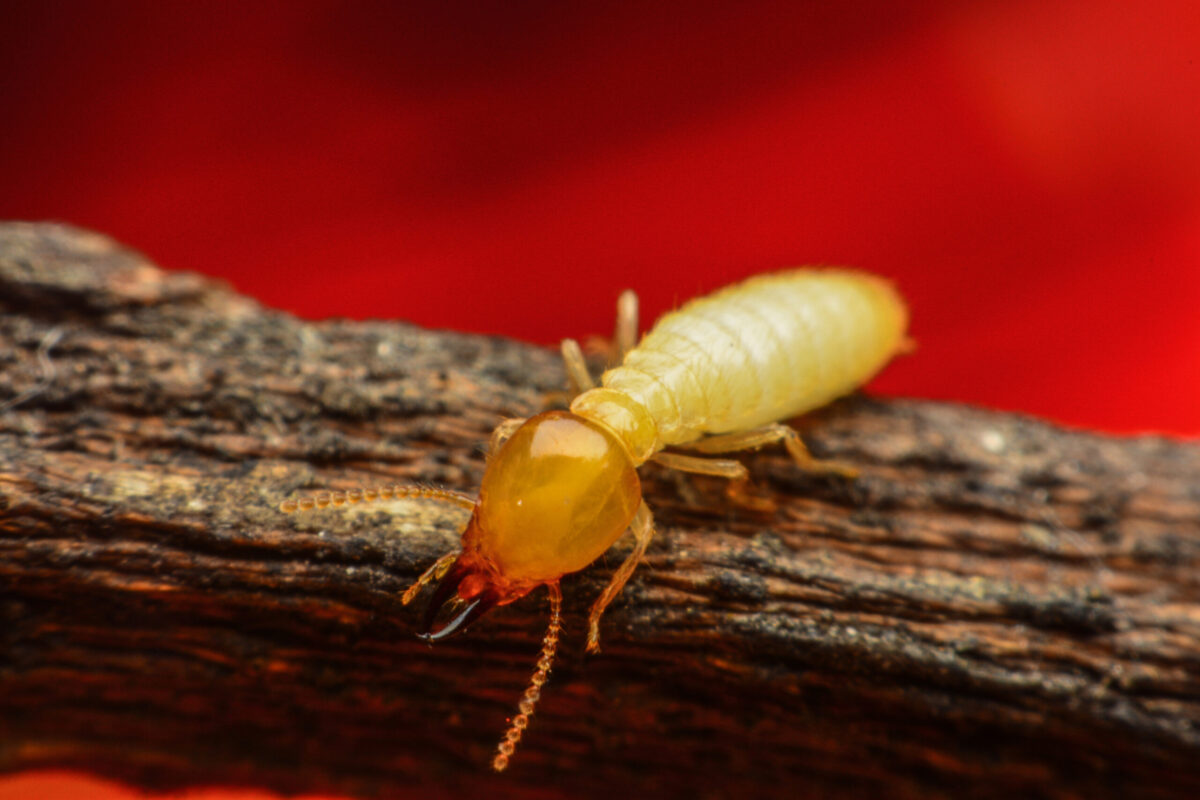
Termites rarely announce themselves by walking across a kitchen floor. Subterranean termites typically live in soil and move between their colony and cellulose food sources through the ground, structural openings, concealed spaces, or protective shelter tubes.
That behavior allows termite activity to develop in places homeowners do not routinely see, including crawlspace piers, foundation walls, sill plates, subflooring, plumbing penetrations, porch areas, garages, and portions of framing concealed by finished surfaces.
Annual Inspections Can Identify Visible Termite Evidence Earlier
A trained termite inspector knows where activity commonly develops and how to recognize evidence that may otherwise be overlooked. Finding a mud tube, damaged structural member, discarded termite wings, or other suspicious evidence gives the homeowner an opportunity to investigate the problem before simply assuming everything is fine.
Inspections Can Find Conditions Conducive to Termites
The inspection is not only about finding live termites. Conditions around the structure can also affect termite risk.
Common conditions worth evaluating include:
- Excessive crawlspace or structural moisture
- Plumbing leaks or condensation
- Poor drainage around the foundation
- Downspouts discharging water near the structure
- Wood or cellulose debris beneath the house
- Wood-to-soil contact
- Mulch, soil, or landscaping materials covering portions of the foundation
- Blocked access to foundation walls or structural members
- Changes to previously treated soil around the structure
Annual Inspections Create a Useful Property History
Keeping records of termite inspections, treatments, repairs, moisture findings, and service agreements creates a useful history of the property. If evidence appears later, previous inspection records can provide context about where activity or structural conditions have changed.
What Does an Annual Termite Inspection Include?
The exact inspection depends on the construction of the home and which areas are safely accessible. A crawlspace home will not be inspected exactly the same way as a slab-on-grade home, basement home, or combination foundation.
A professional inspection may include accessible portions of the following areas:
Exterior Foundation and Perimeter
- Visible foundation walls
- Slab edges and construction joints where accessible
- Exterior wood near soil
- Porches, steps, decks, and attached structures
- Areas around utility penetrations
- Landscape conditions near the foundation
- Possible termite shelter tubes or previous evidence
Crawlspace and Foundation Areas
For crawlspace homes, inspection of accessible structural components can be particularly important. The inspector may evaluate foundation walls, piers, sill areas, girders, floor joists, subflooring, plumbing locations, moisture conditions, and other exposed wood components.
The inspector is looking not only for insects but also for evidence such as termite shelter tubes, damaged wood, previous activity, cellulose debris, moisture, and conditions that may interfere with inspecting the structure.
Accessible Interior Areas
Depending on the home and circumstances, interior observations may include accessible baseboards, door and window areas, garages, utility areas, plumbing locations, and other places where termite evidence has been reported or observed.
An inspection is visual and accessibility matters. Finished walls, floor coverings, insulation, stored belongings, low-clearance areas, inaccessible crawlspace sections, and other obstructions can conceal structural components from view.
What Are the Most Important Signs of Subterranean Termites?
Homeowners do not need to become termite inspectors, but recognizing several common warning signs can help you know when to request a professional evaluation.
Mud or Shelter Tubes
Subterranean termites construct shelter tubes that help maintain the humid environment they need while traveling between soil and food sources. These tubes may appear on foundation walls, crawlspace piers, structural wood, or other protected areas.
Termite Swarmers or Discarded Wings
Winged reproductive termites are known as swarmers or alates. Outdoor swarmers do not automatically mean a house is infested because termites naturally occur in the environment. Swarmers emerging indoors, however, deserve professional investigation.
After swarming, discarded wings may accumulate near windows, doors, light sources, or other areas.
Damaged or Hollow-Sounding Wood
Subterranean termite feeding can leave wood weakened beneath the surface. Depending on the extent and location of activity, affected material may sound hollow when tapped or may be soft enough to probe.
Previous Termite Evidence
Old shelter tubes or previous damage do not necessarily prove that termites are currently active. They are still important findings because they document a history of termite activity and may affect recommendations for inspection, monitoring, or treatment.
Why Moisture Matters During a Termite Inspection
Moisture deserves special attention during termite inspections because subterranean termites require a humid environment. A plumbing leak, standing water, drainage problem, or persistently wet crawlspace can create conditions that are more favorable for termite activity.
Moisture problems can also damage wood independently of termites, which makes correct diagnosis important. Soft or deteriorated wood should not automatically be called termite damage without supporting evidence.
During an annual inspection, homeowners may be advised to address conditions such as leaking plumbing, poor exterior drainage, water entering the crawlspace, excessive humidity, or vegetation and landscaping that interfere with inspection access.
If your home has crawlspace moisture problems, see our Moisture Control Services in Greenville, NC.
Does a Treated Home Still Need an Annual Termite Inspection?
Yes. Previous termite treatment does not eliminate the value of future inspections.
Periodic inspections following treatment help determine whether visible evidence of termites has appeared and whether conditions around the structure have changed. They can also help identify construction alterations, soil disturbance, moisture problems, or access limitations that may affect termite protection.
If your termite treatment includes a service agreement or warranty, read the agreement carefully. Termite contracts differ between companies. The agreement should explain whether periodic reinspections are included, how frequently they occur, what happens if termites are discovered, and what responsibilities the homeowner has.
A termite service agreement should not be interpreted as a guarantee that termites can never return. Instead, it describes the inspections, retreatment provisions, or other protections provided under that particular agreement.
For information about professional treatment options, visit our Termite Control in Greenville, NC page.
Annual Termite Inspection vs. a Wood-Destroying Insect Report (WDIR)
Homeowners frequently use the terms “termite inspection” and “termite report” interchangeably, but an annual homeowner inspection and a North Carolina Wood-Destroying Insect Report serve different purposes.
| Annual Termite Inspection | Wood-Destroying Insect Report (WDIR) |
|---|---|
| Used for routine monitoring and prevention | Official report commonly used in real-estate transactions |
| Focuses on termite evidence and risk conditions associated with the property | Reports visible evidence of qualifying wood-destroying insects and required conducive conditions |
| May be part of a termite service agreement | Prepared using the official North Carolina WDIR form when applicable |
| Helps maintain an ongoing inspection history | Reports conditions observed at the time of the real-estate inspection |
If you are buying, selling, or refinancing property and need the official report, visit our Termite Inspection & Wood-Destroying Insect Report page.
How to Prepare Your Home for an Annual Termite Inspection
A little preparation can make more of the structure available for inspection.
- Make the crawlspace entrance accessible. Remove objects that prevent safe entry.
- Clear stored items from important foundation areas when practical. Inspectors need visibility around accessible walls and structural components.
- Tell the inspector where you have seen activity. Mention swarmers, discarded wings, mud tubes, damaged wood, moisture, or previous repairs.
- Have previous termite records available. Treatment diagrams, contracts, warranties, and earlier inspection reports can provide valuable context.
- Point out recent construction or landscaping changes. Additions, patios, decks, drainage work, soil changes, or crawlspace modifications may affect inspection and termite protection.
- Leave suspicious evidence in place when possible. If you have an inspection scheduled, allowing the inspector to see the original evidence can make evaluation easier.
What Happens If Termite Evidence Is Found?
Finding termite evidence does not mean you should panic or immediately agree to the first treatment offered. The next step is determining what was found, where it was found, whether the evidence appears active or previous, which portions of the structure are affected, and whether additional inspection or treatment is appropriate.
A professional termite control proposal should explain the recommended treatment and the areas involved. If a service agreement or warranty is offered, review what it covers, how long it lasts, when reinspections occur, and what conditions could affect coverage.
D & D Pest Control Co. provides termite treatment options based on the structure and findings. When an appropriate liquid termite treatment is recommended, you can learn more about our Termidor termite treatment in Greenville, NC.
Termite Prevention Between Annual Inspections
An annual professional inspection is important, but homeowners can also reduce conducive conditions throughout the year.
- Repair plumbing leaks promptly.
- Direct roof and gutter water away from the foundation.
- Correct standing water and drainage problems.
- Avoid untreated wood-to-soil contact.
- Remove unnecessary wood and cellulose debris from crawlspaces.
- Keep important foundation areas visible and accessible.
- Avoid piling soil, mulch, or landscaping materials over foundation inspection areas.
- Do not disturb termite bait stations or treated areas without discussing the work with your pest management professional.
- Contact your termite company if you find indoor swarmers, mud tubes, or suspicious wood damage between scheduled inspections.
Annual Termite Inspections in Greenville & Pitt County, North Carolina
D & D Pest Control Co. provides termite inspection and control services for homeowners throughout Greenville and surrounding Pitt County communities.
Our local service area includes Greenville, Winterville, Ayden, Farmville, Simpson, Grifton, and nearby communities. Homes across this area include crawlspace, slab, and combination foundation designs, so termite inspection recommendations should be based on the actual construction and conditions of each property rather than a one-size-fits-all checklist.
Local knowledge is particularly useful when evaluating crawlspace moisture, drainage, foundation access, termite history, landscaping conditions, and other property-specific factors commonly encountered in Eastern North Carolina.
Why Choose D & D Pest Control Co. for Your Annual Termite Inspection?
D & D Pest Control Co. has provided professional pest and termite services throughout Eastern North Carolina since 1994.
- Serving Eastern North Carolina since 1994
- NC Structural Pest Control License #1274 PW
- Locally owned and operated
- Veteran-owned business
- Professional termite inspection and treatment services
- Experience with crawlspace moisture and conducive conditions
- Termite control, Termidor treatment, WDIR inspections, and moisture-control services available
Our goal is not simply to look for a visible termite. A useful annual inspection considers termite evidence, accessible structural areas, moisture, previous treatment history, and conditions that may affect the property’s ongoing termite protection.
Frequently Asked Questions About Annual Termite Inspections
How often should my Greenville, NC home be inspected for termites?
Annual professional inspections are recommended for termite monitoring. A yearly inspection is particularly useful for homes with crawlspaces, previous termite activity, existing termite service agreements, moisture problems, or other conditions that may increase risk. If you discover indoor swarmers, mud tubes, or suspicious wood damage between annual visits, you should not wait until the next scheduled inspection to request an evaluation.
Are annual termite inspections required by law in North Carolina?
A routine annual inspection is not the same thing as a universal legal requirement for every North Carolina homeowner. However, annual inspections are recommended as part of responsible termite monitoring, and a termite service agreement or warranty may require periodic inspections to maintain its provisions. Review your individual contract to determine the specific inspection schedule and homeowner responsibilities.
Is an annual termite inspection the same as a WDIR?
No. An annual termite inspection is generally intended for ongoing homeowner monitoring and prevention. A North Carolina Wood-Destroying Insect Report, or WDIR, is an official report used primarily in real-estate transactions and addresses qualifying wood-destroying insects and specific conducive conditions. If you are purchasing, selling, or refinancing a property, ask whether a WDIR is required for your transaction.
What areas are checked during an annual termite inspection?
The inspector may evaluate accessible foundation walls, crawlspaces, piers, exposed structural wood, slab edges, attached garages, porches, decks, exterior perimeter areas, plumbing locations, and other areas where termite evidence or conducive conditions may occur. The precise inspection depends on the home’s construction and accessibility. Concealed or inaccessible components cannot be visually inspected without additional access.
Do I need an annual inspection if my house was already treated for termites?
Yes. Termite treatment and termite inspection perform different jobs. Treatment is intended to control or help prevent termite activity, while periodic inspection helps identify visible evidence of new activity and changes in structural or environmental conditions. If the treatment came with a service agreement, annual or periodic inspections may also be part of maintaining that agreement.
Can termites return after professional termite treatment?
Termite treatment can provide effective control, but no inspection or treatment should be interpreted as a promise that termites can never appear again. Construction changes, excessive moisture, soil disturbance, landscaping, inaccessible areas, and other conditions can affect termite risk. Continued monitoring and correcting conducive conditions remain important after treatment.
Does crawlspace moisture increase termite risk?
Excessive moisture can create conditions favorable to subterranean termites, which require moisture to survive. Plumbing leaks, drainage problems, standing water, condensation, and persistently wet wood should therefore be addressed. Moisture can also lead to fungal decay and other building problems, so damaged wood should be properly evaluated rather than automatically assumed to be termite damage.
What are the most common warning signs of termites?
Common signs include shelter or mud tubes, indoor termite swarmers, discarded wings, visibly damaged wood, and wood that sounds hollow or is unusually soft when examined. Previous termite damage or old shelter tubes can also be important because they document a history of activity even when live termites are not immediately visible.
What should I do before my termite inspector arrives?
Make crawlspace and foundation access available, move stored materials away from important inspection areas where practical, and tell the inspector about any swarmers, wings, mud tubes, leaks, or damaged wood you have noticed. Previous treatment records, inspection reports, diagrams, and service agreements are also useful because they help the inspector understand the property’s termite history.
Do you provide annual termite inspections throughout Pitt County?
D & D Pest Control Co. serves Greenville and surrounding Pitt County communities including Winterville, Ayden, Farmville, Simpson, Grifton, and nearby areas. Call (252) 523-8255 to confirm service availability for your property and schedule a termite inspection.
Schedule an Annual Termite Inspection in Greenville, NC
You do not have to wait for visible termite damage before having your home inspected. An annual termite inspection provides an opportunity to look for visible evidence of activity, evaluate accessible portions of the structure, identify moisture or other conducive conditions, and keep a clearer history of your property’s termite protection.
D & D Pest Control Co.
Serving Greenville, Pitt County & Eastern North Carolina since 1994
NC Structural Pest Control License #1274 PW
Call or Text: (252) 523-8255
Request Service: Contact D & D Pest Control Co.
Termite Control: Termite Control in Greenville, NC
Real-Estate WDIR: Termite Inspection & Wood-Destroying Insect Report
North Carolina Termite Information Resources
For additional homeowner information about termite prevention, inspection, service agreements, and subterranean termites, see: