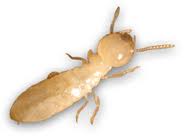
Termites, Eastern Subterranean Termites, Termites

Importance of termite inspection

Annual Termite Inspections in Greenville, North Carolina

Greenville, North Carolina is known for its beautiful homes and strong community, but our region also experiences one of the highest termite pressures in the state. Termites cause thousands of dollars in structural damage every year—and often go unnoticed until significant damage has already occurred. That’s why annual termite inspections are essential for every Greenville homeowner.

This guide explains the importance of annual inspections, the biology of the termites affecting local homes, warning signs to watch for, prevention tips, and how D & D Pest Control Co. protects your home year-round.

Understanding Termites: The Hidden Threat to Greenville Homes

Termites are often mistaken for ants, but their destructive potential is far greater. These insects feed on cellulose—the material found in wood, paper, and some fabrics—making your home a prime food source.

Eastern Subterranean Termites: Greenville’s Most Common Species

The Eastern Subterranean Termite is the number one termite threat in Eastern North Carolina. These insects build colonies underground and travel through protective mud tubes to reach wood sources without being exposed to light or predators.

Because they work behind walls, in crawlspaces, or under flooring, most homeowners do not know termites are present until extensive damage has already occurred.

Drywood Termites

Although less common in Greenville than in coastal regions, Drywood Termites can infest attic beams, door frames, and furniture. They live inside the wood they consume, making early detection difficult.

How Termites Damage Your Home

Termites work silently 24/7, steadily weakening the structural supports of your home. Over time, they can damage joists, subflooring, studs, decks, porches, and even roofing components.

Common Signs of Termite Activity

  • Hollow-sounding or soft wood
  • Sagging floors or difficulty opening doors
  • Mud tubes on foundation walls or piers
  • Discarded wings from termite swarms
  • Blistered or degraded wood surfaces
  • Tiny pinholes in drywall or trim

If you spot any of these indicators, your home may already have active termite activity.

Why Annual Termite Inspections Are Essential in Greenville NC

Early Detection Saves You Money

By catching termites early, homeowners avoid thousands of dollars in structural repairs. A yearly inspection is far more affordable than repairing termite damage.

Identify Moisture & Structural Risk Factors

Greenville’s humid climate and crawlspace-heavy architecture make moisture problems common—and termites love moisture. Annual inspections identify drainage issues, leaks, wood-to-ground contact, and conditions that increase termite risk.

Monitors Your Termite Protection System

If your home has been treated with Termidor, a baiting system, or a liquid barrier, annual inspections ensure the treatment remains active and effective.

Provides Documentation for Homeowners

Regular termite inspections help maintain property value and are valuable when selling your home or obtaining VA/FHA loans.

Termite Prevention Tips for Greenville Homeowners

1. Reduce Moisture Around the Home

  • Fix plumbing leaks quickly
  • Maintain gutters, downspouts, and splash blocks
  • Improve crawlspace ventilation and consider dehumidifiers
  • Keep soil and mulch away from the siding

2. Avoid Wood-to-Ground Contact

  • Do not allow untreated wood to touch soil
  • Store firewood several feet away from your home
  • Use concrete or masonry barriers where possible

3. Schedule Annual Professional Termite Inspections

A trained professional can detect signs of termites that are invisible to homeowners. Annual inspections provide peace of mind and ensure the long-term safety of your home.

How D & D Pest Control Co. Protects Your Home

With over 35 years of experience in Eastern North Carolina, D & D Pest Control Co. provides comprehensive termite inspections and customized treatment plans for Greenville homeowners.

Our Termite Inspection Process

  • Exterior foundation inspection
  • Crawlspace evaluation for moisture & wood damage
  • Identification of mud tubes, swarmers, and exit holes
  • Assessment of structural vulnerabilities
  • Inspection for both active and previous infestations

Customized Termite Treatment Options

  • Termidor Perimeter Treatment — long-lasting soil barrier
  • Termite Bait Systems for colony elimination
  • Localized Wood Treatments for spot infestation areas
  • Crawlspace Moisture Control to reduce termite pressure

Post-Treatment Monitoring

We provide follow-up inspections and ongoing recommendations to help your home remain termite-free long into the future.

Protect Your Greenville Home Before Termites Strike

Termites cause silent, expensive damage—but annual inspections from D & D Pest Control Co. give you the peace of mind you deserve. Whether you’ve noticed warning signs or simply want a professional evaluation, our team is here to help.

Schedule Your FREE Termite Inspection Today

D & D Pest Control Co. proudly serves Greenville, Pitt County, and Eastern North Carolina.

Call: (252) 523-8255
Website: ddpestcontrol.com

FREE Termite Inspections • Customized Treatment Plans • Same-Day Service Available

Related Services

Termites, Eastern Subterranean Termites, Termites

Types of Termites in Eastern North Carolina

Termites in Eastern North Carolina: Eastern & Formosan Subterranean Termites

Eastern North Carolina, with its mix of coastal plains, pine forests and humid climate, provides the perfect environment for termites. While these insects play an important role in nature by breaking down dead wood and plant material, they can also cause severe damage when they attack homes and other structures. For homeowners in this region, understanding the termites that live here is an important step in protecting your property.

This guide focuses on two key termite types that concern Eastern North Carolina homeowners: Eastern Subterranean Termites and Formosan Subterranean Termites. Knowing how they live, where they thrive and what signs to look for can help you catch problems early and make informed decisions about termite protection.

Eastern Subterranean Termites

Characteristics

Eastern Subterranean Termites are the most common termite species in North Carolina and across much of the eastern United States. These termites live underground in moist, protected soil and travel from their colonies to food sources—often the wood in your home.

A typical colony includes workers (which do the feeding and damage), soldiers (which protect the colony) and reproductive termites (swarmers) that leave the colony in spring to start new colonies.

Habitat and Behavior

Eastern Subterranean Termites require moisture to survive, which is why they build characteristic mud tubes to move safely between the soil and wood. These pencil-sized tubes are often the first visible sign of an infestation, appearing on foundation walls, piers, support posts and other structural surfaces.

When feeding, they often consume the softer springwood and leave the harder summerwood behind. This can create a distinctive layered or honeycombed appearance inside damaged wood. Because most of their activity occurs out of sight, significant damage can occur before a homeowner realizes termites are present.

Detection and Control

Signs of Eastern Subterranean Termites may include:

  • Mud tubes on foundation walls, crawlspace piers or support posts
  • Wood that sounds hollow or breaks easily when probed
  • Areas of paint or drywall that appear bubbled or blistered
  • Swarmers (winged termites) appearing around windows, doors or lights in the spring
  • Discarded wings near window sills or entry doors

Because colonies can be large and extend deep into the soil, effective control usually requires professional treatment. Common approaches include:

  • Soil treatments with termiticides around the foundation
  • Bait systems that attract and eliminate termite colonies
  • Wood treatments to protect vulnerable structural components

Formosan Subterranean Termites

Characteristics

Formosan Subterranean Termites are sometimes called “super termites” because of their large colony sizes and aggressive feeding behavior. Originally from Asia, they have become established in parts of the southern United States, especially near the coast. In Eastern North Carolina, they are less common than Eastern Subterranean Termites but are a growing concern in some areas.

Like their Eastern relatives, Formosan termites live in colonies with workers, soldiers and reproductive swarmers—but their colonies can be much larger and cause damage more quickly.

Habitat and Behavior

Formosan Subterranean Termites also build mud tubes and typically nest in the soil. However, one of their unique abilities is to create above-ground nests (called carton nests) within walls, attics or other sheltered spaces if a moisture source is available. This allows them to continue damaging structures even when soil contact is limited.

They can chew through wood, flooring, insulation and even some softer construction materials, making them a serious threat wherever they are established.

Detection and Control

Signs of Formosan Subterranean Termites may include:

  • Large swarms of winged termites, often at night around lights
  • Bulging or damaged walls where carton nests may form
  • Extensive wood damage appearing faster than expected
  • Mud tubes on foundations, piers and inside crawlspaces

Because of their aggressive nature and large colony sizes, controlling Formosan termites often requires a more intensive approach. Soil treatments, baiting systems and careful inspection for above-ground nests are all part of a comprehensive treatment plan.

Prevention Tips for Eastern North Carolina Homeowners

Preventing termite infestations is far more cost-effective than repairing termite damage. Homeowners in Eastern North Carolina can take several practical steps to lower their termite risk:

  • Keep soil around the foundation dry: Make sure your yard is properly graded so water drains away from the foundation. Maintain gutters, downspouts and splash blocks.
  • Avoid wood-to-soil contact: Do not allow decks, steps, siding or door frames to touch soil directly. Use concrete or masonry supports whenever possible.
  • Store firewood and lumber correctly: Keep woodpiles off the ground and away from the home. Avoid stacking firewood against exterior walls.
  • Fix leaks and moisture problems: Repair leaking faucets, pipes and downspouts. Address crawlspace moisture with proper ventilation or dehumidification.
  • Inspect regularly: Walk around your home periodically, checking the foundation, crawlspace and exposed wood for signs of mud tubes or damage.
  • Schedule professional termite inspections: A licensed termite professional can spot early signs of activity and recommend preventive treatments.

When to Call a Professional Termite Expert

Whether you are dealing with Eastern Subterranean Termites or suspect the presence of Formosan Subterranean Termites, early action is critical. Termite colonies work continuously and damage only becomes more extensive over time.

If you notice mud tubes, swarming termites, hollow-sounding wood or any other suspicious signs, it is important to contact a licensed termite specialist for a thorough inspection. Professionals have the tools, training and products necessary to accurately identify termite species and design an effective treatment plan.

Protect Your Eastern North Carolina Home from Termites

Termites are a fact of life in Eastern North Carolina, but serious damage is not inevitable. By understanding the differences between Eastern Subterranean Termites and Formosan Subterranean Termites, watching for early warning signs and investing in prevention, homeowners can greatly reduce their risk.

If you suspect a termite problem—or simply want peace of mind—reach out to D & D Pest Control Co. for a professional inspection and customized termite protection plan tailored to your home and location.

Schedule Your Termite Inspection in Eastern North Carolina

D & D Pest Control Co. proudly serves homeowners throughout Eastern North Carolina, including Greenville, Kinston, New Bern, Jacksonville, Snow Hill, La Grange and surrounding communities.

Call: (252) 523-8255
Website: ddpestcontrol.com

FREE Termite Estimates • Professional Inspections • Long-Term Protection

Termite FAQ for Eastern North Carolina Homeowners

How often should I have my home inspected for termites?

In Eastern North Carolina, annual termite inspections are strongly recommended due to the region’s climate and high termite pressure. Homes with a history of termite problems or high moisture may benefit from more frequent checks.

Can I tell the difference between Eastern and Formosan Subterranean Termites on my own?

It can be very difficult for homeowners to distinguish between termite species. Differences often require close examination by a trained professional. What matters most is recognizing signs of termite activity and contacting a licensed expert promptly.

Are termites covered by homeowners insurance?

Most homeowners insurance policies do not cover termite damage because it is considered preventable with proper maintenance and inspections. This makes proactive termite protection especially important.

Do bait systems work as well as liquid termite treatments?

Both bait systems and liquid soil treatments can be effective when properly installed and maintained. The best choice depends on your home’s design, soil conditions, risk level and budget. A termite professional can recommend the most appropriate option.

What should I do if I find mud tubes or swarmers?

If you see mud tubes or winged termites, avoid disturbing them too much before an inspection. Take clear photos if possible and contact a pest control professional as soon as you can for a thorough evaluation and treatment plan.

By staying informed and working with a trusted termite specialist, you can help ensure that your Eastern North Carolina home remains strong, safe and termite-free for years to come.