Published: September 27, 2026 Written by: D & D Pest Control Co.
Serving: Greenville, Winterville, Ayden, Farmville, and surrounding Pitt County communities
Yes, a termite inspection before listing is often a smart move for Greenville homeowners, especially if you have seen swarmers, mud tubes, damaged wood, or moisture in the crawlspace. It gives you time to understand a concern, gather treatment records, and decide how to address findings before a buyer’s inspection adds pressure to the transaction.
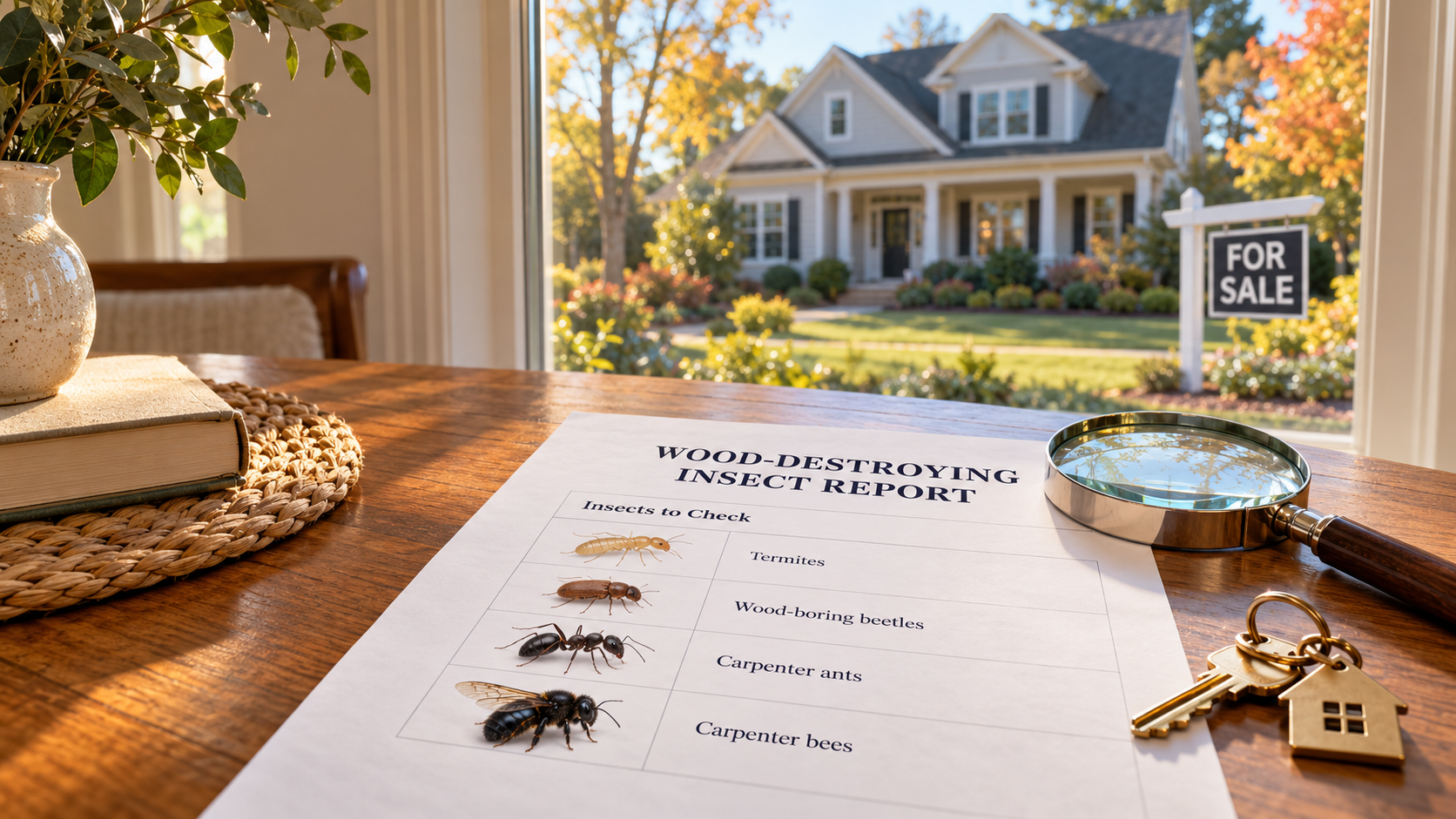
An inspection before listing is a planning tool. A buyer, lender, or closing professional may still request a current North Carolina Wood-Destroying Insect Report (WDIR) later. Because that report documents visible conditions on the inspection date, an early inspection should not be presented as a guarantee that a later report will have identical findings. NC Agriculture
Why inspect before your home goes on the market?
Finding a termite concern while you are preparing to list usually gives you more room to respond than finding it days before closing. You can ask what the inspector observed, obtain an appropriate treatment proposal if needed, and have a qualified contractor evaluate suspected structural damage.
An early inspection can also help you organize records buyers may ask about: prior termite treatments, ongoing protection agreements, moisture repairs, and past wood repairs. It does not guarantee a sale, eliminate the need for buyer due diligence, or mean every condition must be repaired before listing. It helps you make informed decisions with your real estate professional.
What does a termite inspection look for?
A professional examines accessible areas for evidence of termites and other wood-destroying insects. In a Greenville home, relevant areas may include visible foundation walls, accessible crawlspace framing and piers, slab-adjacent areas, and other accessible wood that warrants examination. The inspection may identify evidence such as mud tubes, insects, or damaged wood. Access limitations matter: concealed framing and inaccessible spaces cannot be evaluated in the same way as exposed areas.
North Carolina’s official WDIR 100 is the form used to report wood-destroying insect findings for a real estate transaction. It is a report of observed evidence within the inspection’s scope, not a structural engineering assessment or a promise that hidden damage does not exist. The state advises buyers and other parties to read the entire report, including its conditions and limitations. NC Agriculture
Why does this matter in Greenville and Pitt County?
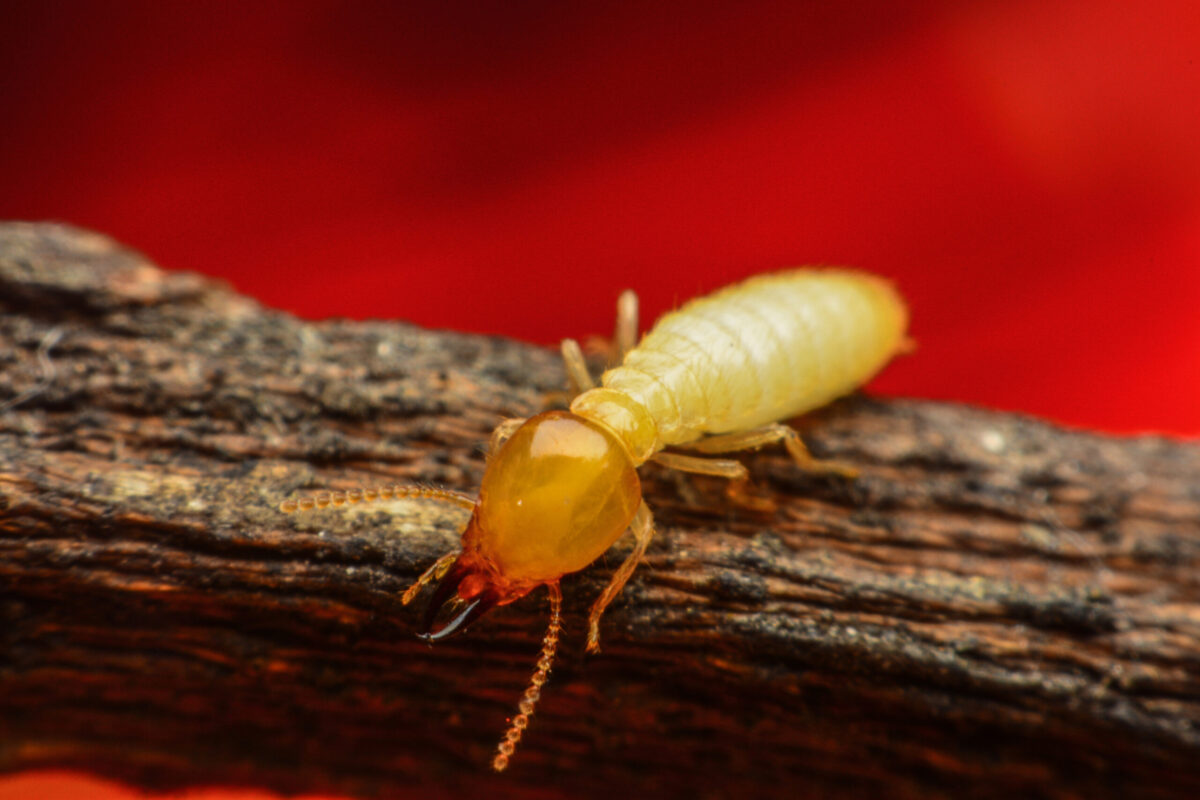
Eastern subterranean termites occur throughout North Carolina. They depend on moisture, and conditions such as a plumbing leak, wet crawlspace, or wood-to-soil contact deserve attention when you are preparing a house for sale. A dry-looking living space does not tell you what is happening beneath the floor or behind a wall. content.ces.ncsu.edu
Look out for:
- Mud tubes on a foundation wall, pier, or other surface.
- Swarming insects or discarded wings, especially near windows and doors.
- Wood that appears damaged or weakened, including accessible framing or trim.
- Persistent crawlspace moisture, leaks, or standing water.
These signs call for a closer look; they do not establish the extent of an infestation or structural damage by themselves. A previous treatment also does not replace an inspection of the home’s current condition. NC State Extension notes that evidence such as a mud tube may need to be recorded on a real estate WDIR even when wood has been treated. Approaches for New Construction
What if the inspection finds termite evidence?
Start with the written findings and ask the inspector to explain what was observed and where access was limited. The next step depends on the evidence:
- If treatment is recommended, request a proposal that explains the recommended approach and its scope.
- If wood damage is suspected, arrange an evaluation by a qualified contractor or engineer when appropriate. A WDIR does not determine whether framing is structurally sound.
- If moisture is contributing to the problem, identify its source and consider the appropriate repair.
- Keep the paperwork: inspection findings, treatment documents, repair invoices, and any follow-up reports.
- Discuss transaction decisions with your real estate professional. An inspection result and a seller’s disclosure obligations are related, but they are not the same document or decision.
A WDIR does not have to be “clear” for a transaction to proceed; it does need to accurately report findings. North Carolina’s real estate disclosure rules also warrant care. Most sellers of covered residential properties must provide the required disclosure forms, subject to statutory exceptions, and licensed brokers have duties concerning material facts. Ask your broker or a North Carolina real estate attorney how a specific finding should be handled in your sale. NC Agriculture
When should you schedule the inspection?
Schedule it while you are preparing the listing if you want time to investigate and address possible findings. This is particularly useful when you have noticed signs of activity, know of previous termite work, or have a crawlspace moisture concern.
Let the inspection company know whether you want an inspection for your own planning or an official WDIR for a transaction. If a buyer or lender needs a WDIR, confirm their timing and documentation requirements with the parties handling the sale. An inspection performed before listing may need to be followed by another inspection later because conditions can change and transaction requirements vary. NC Agriculture
A short checklist before the appointment
- Make the crawlspace entrance and other relevant areas accessible.
- Gather past termite treatment and warranty records, if you have them.
- Note where you saw insects, mud tubes, damaged wood, or water.
- Have records of previous repairs available.
- Tell the inspector about areas you know are difficult to access.
Frequently asked questions
Is a termite inspection required before I list my Greenville home?
The practical question before listing is whether an early inspection would help you prepare. An official WDIR may be needed during the later transaction, depending on its requirements. Ask your agent and closing or lending team what they expect and when they need it. NC Agriculture
Can I use my inspection from before listing at closing?
Possibly, but do not assume it will meet every buyer’s or lender’s requirements. A WDIR records conditions observed on a particular date, and the parties to the transaction may request a more recent report. NC Agriculture
Does a past termite treatment mean my home will pass inspection?
No. The inspector reports current observable evidence under the WDIR’s rules. Keep your treatment records, but allow the inspector to assess the property as it is now. NC Agriculture
Will a termite inspector tell me whether damaged wood is safe?
A wood-destroying insect inspection identifies relevant evidence; it is not a substitute for a structural evaluation. If damage is found, ask a qualified contractor or engineer to assess repairs or structural significance as appropriate. NC Agriculture
Schedule a Greenville termite inspection
D & D Pest Control Co. provides termite inspections and Wood-Destroying Insect Reports for Greenville and surrounding Pitt County communities. If you are getting ready to list, tell us your anticipated listing date and whether you need an inspection for planning, a transaction WDIR, or both.
Call: (252) 523-8255
Request an appointment: Contact D & D Pest Control Co.
Learn more about our termite inspections and WDIR reports and termite control in Greenville.