
Last Updated: September 26, 2026
Reviewed by: D & D Pest Control Co. | North Carolina Structural Pest Control License #1274 PW
A professional pest control treatment should involve much more than spraying around baseboards and hoping the pests disappear. Effective pest management begins by identifying exactly what pest is present, locating where it is living or entering the structure, determining what is helping it survive, and choosing a treatment strategy that fits both the pest and the property.
For homeowners in Greenville, Pitt County, and throughout Eastern North Carolina, that process can also mean looking closely at crawlspace moisture, plumbing penetrations, exterior vegetation, foundation openings, food and water sources, and seasonal pest pressure. Ants, cockroaches, rodents, spiders, fleas, and termites do not behave the same way, so they should not be treated with a one-size-fits-all approach.
This guide explains how professional pest control works from the first inspection through treatment, prevention, monitoring, and follow-up—and what homeowners can do to help keep pests from returning.
How Does Professional Pest Control Work?
Professional pest control typically follows a structured process: inspect the property, identify the pest, determine why it is there, select appropriate control methods, correct conditions that encourage the infestation, and monitor the results.
This approach is closely related to Integrated Pest Management, commonly called IPM. Rather than depending entirely on pesticide applications, IPM combines pest identification, sanitation, exclusion, habitat modification, monitoring, mechanical controls, baiting, trapping, and carefully targeted pesticide applications when appropriate.
The important difference is simple: the goal is not merely to kill the pests you can see. The goal is to understand and interrupt the conditions that allow the infestation to continue.
Step 1: Find Out What Is Actually Happening
A pest-control professional should begin by gathering information. What have you seen? Where are you seeing it? When did the activity begin? Is it worse at night? Has there been a plumbing leak, roof leak, crawlspace moisture problem, renovation, recent move, new appliance, landscaping change, or previous pest treatment?
Those details can provide important clues before an inspection even begins.
For example, ants consistently appearing around a kitchen sink may be responding to moisture or food, while large cockroaches appearing in a bathroom could be entering from a crawlspace, plumbing area, or exterior environment. Scratching noises in an attic require a very different investigation from small cockroaches appearing around a refrigerator.
The visible pest is often only part of the story.
Step 2: Perform a Detailed Pest Inspection
A professional inspection is one of the most important parts of pest management because treatment decisions should be based on actual evidence whenever possible.
Depending on the pest and structure, an inspection may include:
- Foundation walls and exterior perimeter areas
- Doors, windows, utility penetrations, vents, and siding gaps
- Kitchens, bathrooms, laundry rooms, and plumbing areas
- Cabinets and areas beneath sinks
- Spaces behind or beneath appliances when accessible
- Crawlspaces, garages, attics, and storage areas
- Moisture sources and plumbing leaks
- Landscaping touching or crowding the structure
- Food, pet-food, garbage, or sanitation issues
- Droppings, shed skins, egg cases, nesting material, mud tubes, webs, gnawing, or other pest evidence
A good inspection tries to answer several questions at once: What pest is present? Where is it coming from? Where is it hiding? What is sustaining it? How extensive is the activity? What changes could make the property less attractive to that pest?
Step 3: Correctly Identify the Pest
Pest identification matters because different species can require very different control strategies.
An ant wandering across a countertop is not enough information by itself. The technician may need to determine whether the ants are nesting inside, entering from outside, feeding on a particular attractant, or responding to moisture. Some ant-control programs depend heavily on baiting and colony transfer, while others require inspection of structural wood or exterior nesting areas.
Cockroaches provide another good example. German cockroaches normally require an intensive indoor management strategy involving inspection, sanitation, monitoring, bait placement, crack-and-crevice treatment, and follow-up. Larger outdoor cockroach species may require greater attention to crawlspaces, mulch, drains, exterior harborage, moisture, and entry points.
Correct identification helps prevent wasted treatments and allows the pest-management plan to target the biology and behavior of the actual pest.
Step 4: Determine Why the Infestation Developed
Professional pest control is more effective when the underlying conditions are addressed along with the active infestation.
Most structural pests are looking for some combination of food, water, shelter, nesting space, and access.
Common conditions that can contribute to pest activity include:
- Leaking plumbing or condensation
- Standing water around or beneath the structure
- High crawlspace moisture
- Food crumbs and grease accumulation
- Improperly stored pet food
- Unsealed garbage
- Cardboard and excessive clutter
- Gaps around plumbing and utility lines
- Damaged screens or door sweeps
- Cracks around foundations and exterior walls
- Heavy vegetation against the house
- Wood, leaves, or debris stored against the foundation
Simply treating insects without correcting favorable conditions can allow another infestation to develop after the original treatment loses effectiveness.
Step 5: Build a Pest-Specific Treatment Plan
Once the pest, activity level, entry points, and contributing conditions are understood, the professional can choose an appropriate combination of control methods.
There is no single product or treatment that is appropriate for every pest problem.
Baits
Baits can be extremely useful for certain ants, cockroaches, and rodents because they can be placed strategically where pests are active. Proper bait selection and placement are important, and homeowners should avoid interfering with bait placements unless instructed otherwise.
Crack-and-Crevice Treatments
Some insect problems are managed by treating locations where pests travel or hide rather than broadly treating exposed surfaces. These areas may include plumbing penetrations, cabinet voids, wall gaps, baseboard junctions, and other concealed locations when permitted by the product label.
Exterior Perimeter Treatments
Many household pests originate outdoors. A properly designed exterior program may focus on foundation areas, entry points, doors, windows, utility penetrations, and other locations where pests approach the structure.
Trapping and Monitoring
Traps and monitoring devices help determine where activity is occurring and whether a treatment program is reducing pest pressure. Monitoring is particularly useful for rodents and cockroaches because it provides information that cannot always be obtained from a single visual inspection.
Exclusion
Exclusion means making it more difficult for pests to enter a building. Depending on the problem, this may involve repairing screens, improving door sweeps, sealing utility penetrations, correcting structural gaps, installing appropriate barriers, or recommending repairs.
Moisture and Habitat Corrections
Correcting drainage, leaks, excessive crawlspace moisture, clutter, vegetation contact, and other conducive conditions can be an important part of long-term pest prevention.
How Professional Treatment Changes Depending on the Pest
| Pest Problem | What Professionals Often Investigate | Possible Management Approach |
|---|---|---|
| Ants | Species, trails, food sources, moisture, entry points, nesting areas | Baiting, targeted treatments, sanitation, exclusion, exterior management |
| Cockroaches | Species, kitchens, plumbing, appliances, cracks, moisture, sanitation | Monitoring, baiting, crack-and-crevice treatment, sanitation, follow-up |
| Rodents | Droppings, gnawing, entry openings, nesting areas, food and water sources | Trapping, secured baiting where appropriate, exclusion, sanitation, monitoring |
| Spiders | Web locations, insect prey, exterior lighting, entry points, vegetation | Web removal, prey reduction, targeted treatment, exclusion, exterior prevention |
| Fleas | Pet activity, carpeting, furniture, resting areas, wildlife or animal hosts | Vacuuming, pet coordination, targeted treatment, follow-up based on life cycle |
| Termites | Mud tubes, wood damage, moisture, crawlspace conditions, soil contact, foundation access | Professional termite inspection followed by an appropriate termite-management system |
Why Moisture Matters in Eastern North Carolina Pest Control
Moisture deserves particular attention in Greenville and other Eastern North Carolina homes, especially properties with crawlspaces.
A damp crawlspace does not automatically mean a home has termites, cockroaches, ants, or other pests. However, excessive moisture can create conditions that are more favorable for several pest species and can also contribute to wood deterioration and fungal activity.
Subterranean termites are especially important because they depend on moisture. Plumbing leaks, standing water, poor drainage, excessive crawlspace dampness, and wood-to-soil contact are conditions that deserve attention during a termite inspection.
If you are dealing with persistent crawlspace moisture, learn more about our moisture control services in Greenville, North Carolina.
Why Professional Pest Control Is More Than “Spraying”
One of the biggest misconceptions about pest control is that technicians simply apply pesticide throughout a building.
Modern pest management should be more selective.
The right treatment depends on the pest, its location, the structure, the severity of the infestation, the treatment label, environmental conditions, and whether nonchemical measures can help solve the problem.
Sometimes bait is more appropriate than a spray. Sometimes exclusion is more important than either. Rodent problems may depend heavily on locating and closing entry openings. Termite management involves specialized inspection and treatment techniques. German cockroach infestations may require multiple coordinated steps and continued monitoring.
The product is only one part of the pest-control program.
What About Pesticide Safety?
No pesticide should be described as completely harmless or “100% safe.” Pest-control products must be used according to their labeling, including requirements concerning application locations, personal protection, pets, children, food-contact surfaces, ventilation, and re-entry when applicable.
Homeowners should feel comfortable asking what products are being used, where they will be applied, why they were selected, and whether any preparation or re-entry precautions are necessary.
Using more pesticide than directed does not make a treatment better. Accurate placement and following the product label are fundamental parts of responsible pesticide use.
What Happens After the Initial Treatment?
Not every infestation disappears immediately after a single service.
The expected timeline depends heavily on the pest and treatment method. A bait program may depend on pests continuing to interact with the bait. Flea management must account for multiple life stages. Cockroach infestations may require continued monitoring and follow-up. Rodent control often requires repeated trap checks and exclusion work. Termite-management programs have their own inspection and monitoring requirements.
A follow-up visit may involve:
- Checking monitoring devices
- Evaluating whether activity has decreased
- Replenishing or adjusting bait placements
- Inspecting previously active locations
- Looking for new activity
- Reviewing sanitation or exclusion recommendations
- Making additional label-directed treatments when necessary
Monitoring tells the technician whether the plan is working or whether something needs to change.
What Can Homeowners Do Between Pest Control Visits?
Professional treatment works best when the property itself is not continuously providing pests with easy access to food, water, and shelter.
Homeowners can help by storing food properly, cleaning spills and crumbs, securing pet food, repairing plumbing leaks, reducing unnecessary cardboard and clutter, keeping garbage containers closed, maintaining door sweeps and screens, improving drainage, and keeping vegetation from pressing directly against the structure.
You should also pay attention to where pest activity occurs. A photo of an insect, the location of droppings, the room where activity occurs, and even the approximate time pests appear can provide valuable information during the next inspection.
DIY Pest Control vs. Professional Pest Control
Not every pest sighting requires professional treatment. A homeowner may be able to correct an occasional invader simply by repairing a screen, eliminating a food source, sealing an obvious gap, or following the directions on an appropriate consumer product.
Professional evaluation becomes more useful when pest activity is recurring, the pest cannot be identified, an infestation is spreading, termites or wood-destroying insects are suspected, rodents are entering the structure, cockroaches continue reproducing, previous treatments have failed, or the treatment requires specialized equipment, knowledge, products, or licensing.
Repeatedly applying different products without identifying the pest or source can sometimes make the problem harder to diagnose while failing to address the infestation itself.
Common Pest Problems Around Greenville and Pitt County
Homes and businesses in Greenville and surrounding Pitt County communities can experience many different pest problems throughout the year. Some originate primarily indoors, while others move indoors from lawns, landscaping, crawlspaces, wooded areas, utility penetrations, or neighboring structures.
For information about specific problems, visit our guides and service pages:
- Ant Control in Greenville, NC
- Cockroach and Roach Control
- Rodent Control for Rats and Mice
- Spider Control
- Termite Control in Greenville, NC
- Crawlspace Moisture Control
What to Expect When You Call a Pest Control Company
Before scheduling service, explain what you are seeing and where the activity is occurring. Depending on the pest, the company may provide preparation instructions before the appointment.
During the visit, the technician should be able to explain what was found, what treatment is recommended, what conditions may be contributing to the problem, and what you should expect afterward.
In North Carolina, structural pest control performed for hire is regulated by the North Carolina Department of Agriculture & Consumer Services. Choosing an appropriately licensed pest-management company gives homeowners an additional level of professional accountability.
Professional Pest Control in Greenville, North Carolina
D & D Pest Control Co. provides pest-control services for homes and businesses in Greenville and surrounding Pitt County communities. Our general pest-control programs are designed around the property, pest activity, and conditions found during inspection rather than assuming every infestation needs the same treatment.
If you are researching ongoing protection, visit our pest control service page for information about available service options.
D & D Pest Control Co. lists North Carolina Structural Pest Control License #1274 PW and provides service throughout Greenville and surrounding Eastern North Carolina communities.
Frequently Asked Questions About Professional Pest Control
How do pest control professionals find where pests are coming from?
Technicians look for physical evidence such as droppings, trails, webs, nesting material, mud tubes, gnaw marks, moisture, entry gaps, food sources, and pest activity. They may inspect the exterior perimeter, kitchens, bathrooms, crawlspaces, garages, attics, utility penetrations, and other accessible areas depending on the pest. Information from the homeowner can also help narrow the search.
Does professional pest control always require pesticides?
No. Professional pest management may include sanitation, exclusion, trapping, moisture correction, monitoring, habitat modification, mechanical controls, baiting, pesticides, or a combination of methods. The appropriate approach depends on the pest and circumstances. Integrated Pest Management emphasizes prevention and targeted controls instead of automatically relying on broad pesticide applications.
Will one pest control treatment eliminate an infestation?
Sometimes a relatively minor problem can be corrected with one service, but many infestations require monitoring or follow-up. Cockroaches, fleas, rodents, termites, and some ant infestations may involve hidden populations, multiple life stages, colonies, nesting areas, or conditions that must also be corrected.
Why do pests sometimes appear after a treatment?
Treatment does not necessarily produce instant results. Certain products depend on pests contacting or feeding on them, and insects hidden inside cracks, wall voids, egg cases, or other protected locations may emerge later. Your technician should explain what level of activity is expected and when additional service should be considered.
Should pest control be performed inside or outside the house?
That depends on the pest and where activity is occurring. Many pest-management programs emphasize exterior prevention while using targeted interior treatments only where needed. Indoor infestations such as German cockroaches require a very different approach from pests primarily entering from outdoors.
Can moisture cause pest problems?
Moisture can contribute to conditions favorable for several pests. Leaking plumbing, standing water, condensation, high crawlspace moisture, and poor drainage can provide pests with needed water or create suitable harborage. Moisture is particularly important when evaluating subterranean termite risk and damp crawlspace conditions.
Is professional pest control safe around children and pets?
Pest-control products have specific label directions concerning how and where they may be applied and any precautions that must be followed. Tell your technician about children, pets, aquariums, sensitive occupants, or other concerns before treatment. Follow all preparation, re-entry, ventilation, and post-treatment instructions provided for the products and service being performed.
What should I do before the pest-control technician arrives?
Preparation depends on the pest. In general, make relevant areas accessible, clean excessive food debris, secure pet food, note where activity has occurred, and avoid disturbing evidence that could help identify the problem. For specialized services such as fleas, bed bugs, or cockroaches, follow the preparation instructions provided by the pest-control company.
When should I call a professional instead of continuing DIY treatments?
Consider professional help when pests repeatedly return, you cannot identify the pest, activity is spreading, termites or rodents are suspected, a cockroach population is reproducing indoors, structural damage may be involved, or previous treatments have not solved the problem. A professional inspection can help determine whether treatment is needed and which approach is appropriate.
How can I help keep pests from returning?
Reduce access to food, water, and shelter. Repair leaks, seal appropriate entry openings, store food properly, maintain screens and door sweeps, manage garbage, reduce clutter, correct excessive moisture, and keep vegetation from crowding the structure. Regular inspection can also identify conditions before they develop into larger problems.
Need Help With a Pest Infestation in Greenville, NC?
If ants, cockroaches, spiders, rodents, termites, or other pests keep returning, the next step should be finding out why.
D & D Pest Control Co. provides professional pest inspection and pest-control services throughout Greenville, Pitt County, and surrounding Eastern North Carolina communities.
Office: (252) 523-8255
Call/Text: (252) 531-0621
Request Pest Control Service or an Inspection
For ongoing protection options, visit our Greenville pest control service page.
#Eastern North Carolina pest control #Greenville NC #home pest prevention #integrated pest management #IPM #Pest Control #Pest Infestations #pest inspection #Pitt County NC #professional pest control
Related Posts
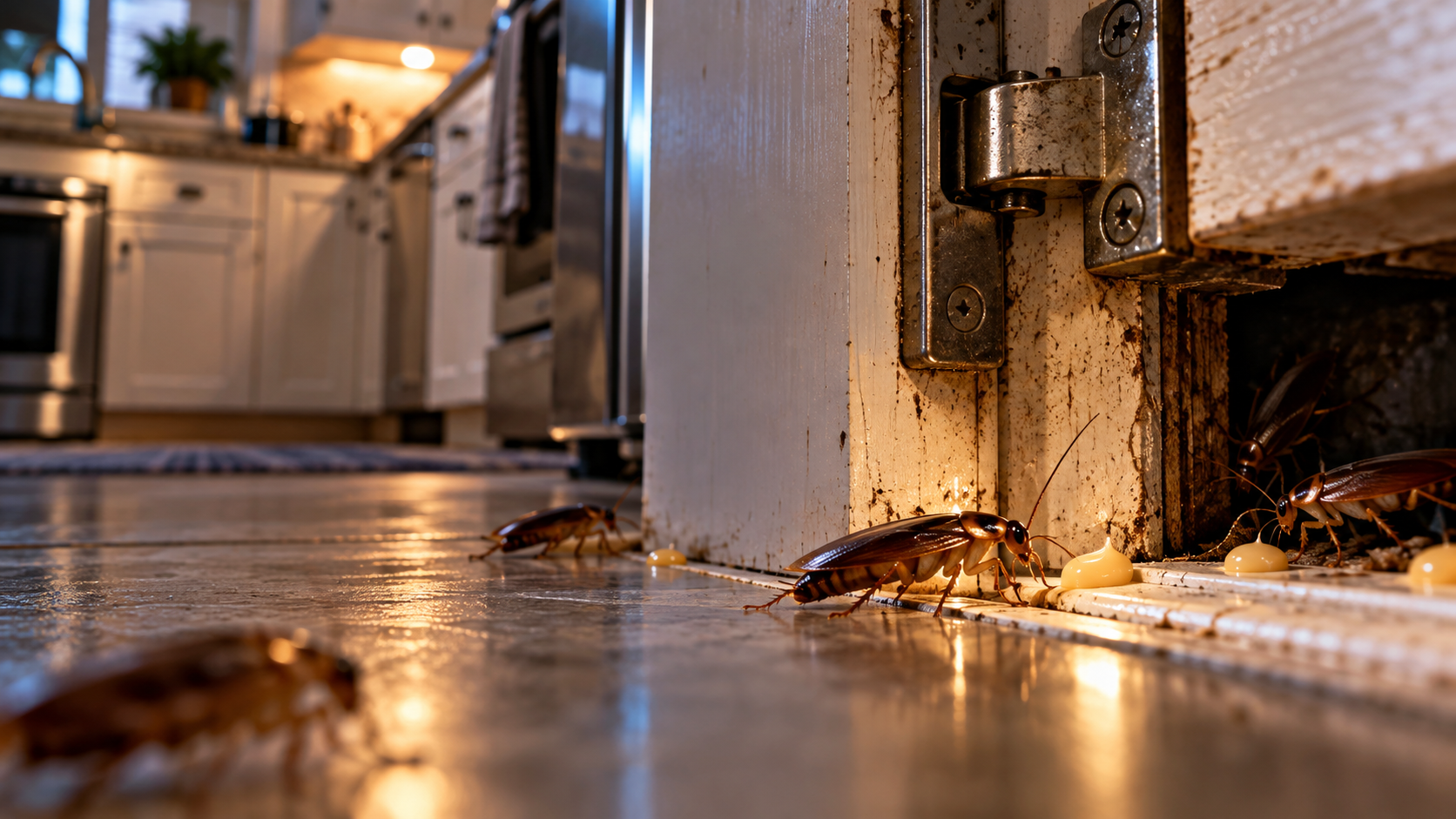 German Cockroach Gel Baiting: How It Works and Why It’s Effective
 VA & FHA Wood Destroying Insect Reports in Greenville, NC | Pitt County Termite Inspections
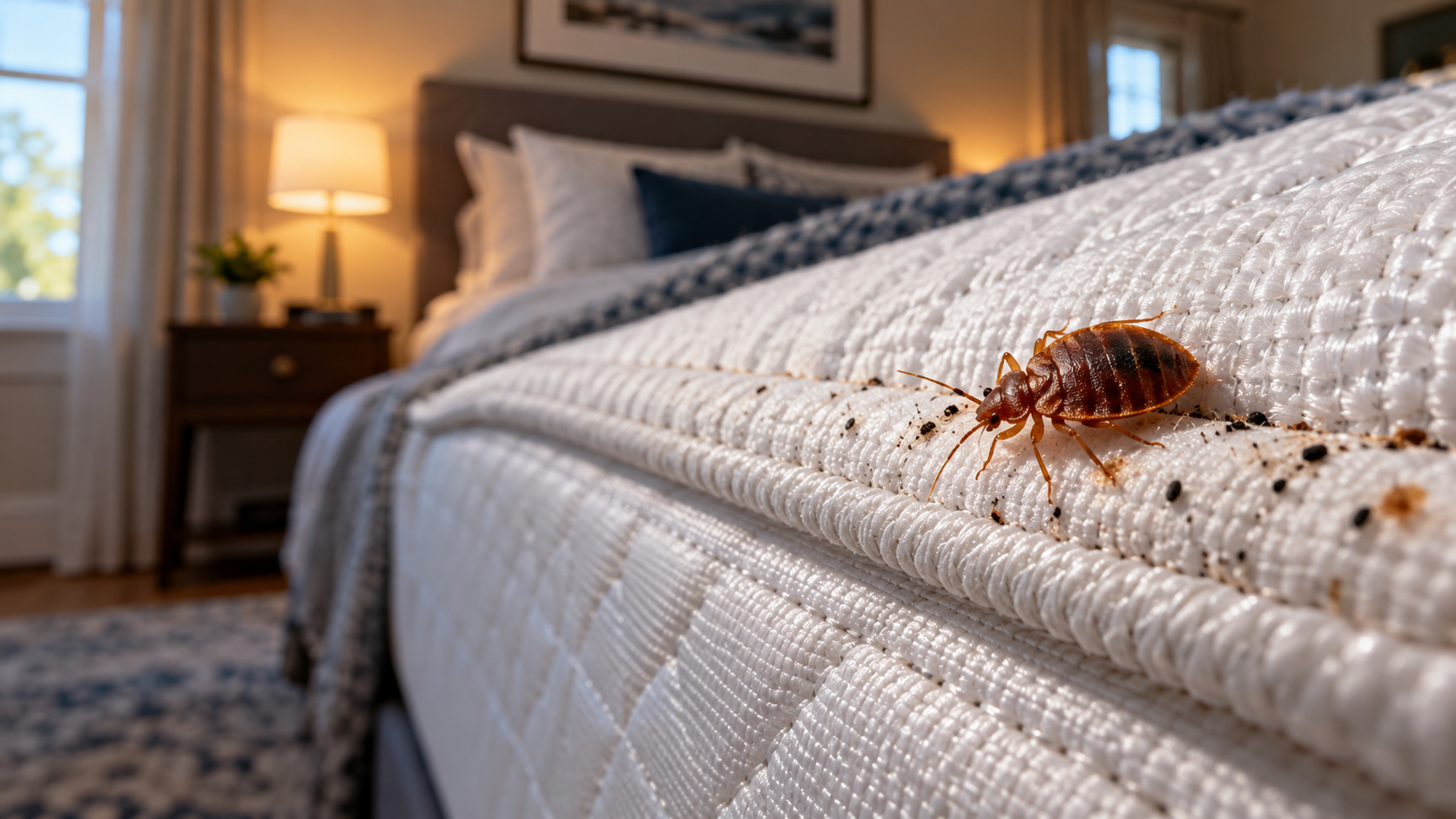 Bed Bugs on the Rise? What Greenville, NC Homeowners Need to Know in 2026