
Written & Reviewed By: D & D Pest Control Co. | NC Structural Pest Control License #1274 PW
Keeping pests out of your Greenville, North Carolina home is usually easier than dealing with a well-established infestation after insects or rodents have moved into kitchens, crawlspaces, attics, wall voids or storage areas.
Long-term pest prevention is not about spraying more pesticide. It starts by understanding what pests need to survive and systematically reducing their access to food, water, shelter and entry points. Inspection, sanitation, moisture control, structural maintenance, exclusion and ongoing monitoring can all work together to reduce pest pressure before a small problem becomes a recurring one.
That approach is especially useful in Greenville and Pitt County, where warm temperatures, humidity, rainfall, crawlspaces, vegetation and long pest-active seasons can create favorable conditions for ants, cockroaches, termites, mosquitoes, rodents, spiders, fleas and other pests.
This guide explains practical steps Greenville-area homeowners can use throughout the year to make their homes less inviting to pests—and when professional pest control may be the appropriate next step.
What Is Long-Term Pest Prevention?
Long-term pest prevention means correcting the conditions that allow pests to enter, feed, drink, hide and reproduce instead of relying only on treatment after pests appear.
This concept is closely related to Integrated Pest Management, or IPM. Rather than automatically treating every situation in exactly the same way, an IPM approach considers pest identification, inspection, monitoring, sanitation, exclusion, moisture, habitat conditions and targeted treatment when appropriate.
A practical pest-prevention plan asks five questions:
- What pest is present?
- Where is it coming from?
- What food, water or shelter is supporting it?
- How is it entering or moving through the property?
- What changes can reduce the likelihood of the problem returning?
Those questions turn pest control from a reaction into a prevention strategy.
Why Pest Prevention Matters in Greenville and Pitt County
Eastern North Carolina homes can experience pest pressure throughout much of the year. Different pests become more noticeable as temperatures, rainfall and humidity change.
Common concerns around Greenville-area properties can include:
- Ants entering kitchens and bathrooms
- Cockroaches associated with food, moisture or crawlspaces
- Subterranean termites around foundations and structural wood
- Mice and rats entering garages, crawlspaces, attics and wall voids
- Spiders around porches, garages and exterior lighting
- Mosquitoes developing around standing water
- Fleas and ticks associated with pets, wildlife and outdoor areas
- Seasonal insects entering around windows, doors and rooflines
No single prevention step will eliminate every possible pest. The strongest defense comes from combining several small improvements throughout the property.
The Four Foundations of a Pest-Resistant Home
| Prevention Area | What Pests Need | Homeowner Strategy |
|---|---|---|
| Food | Crumbs, pet food, garbage, grease and stored foods | Improve sanitation and food storage |
| Water | Leaks, condensation, standing water and damp crawlspaces | Correct moisture sources |
| Shelter | Clutter, cardboard, vegetation and protected voids | Reduce harborage |
| Entry | Gaps, cracks, doors, vents and utility penetrations | Inspect and exclude pests |
1. Keep Food Sources Under Control
Food does not have to be sitting openly on a kitchen counter to support pest activity. Crumbs beneath appliances, grease beside a stove, pet food, spills inside cabinets and residue in recycling containers may all provide food.
Kitchen Pest-Prevention Checklist
- Store open dry foods in durable sealed containers.
- Clean crumbs and spills promptly.
- Wipe grease from cooking surfaces and surrounding areas.
- Clean beneath and beside refrigerators, stoves and other appliances periodically.
- Do not allow dirty dishes to remain out unnecessarily.
- Rinse food residue from recyclables.
- Keep garbage containers covered and empty them regularly.
- Check pantry products for damaged packaging or insect activity.
- Clean pet-feeding areas regularly.
- Avoid leaving pet food accessible overnight when pest activity is a concern.
These practices are particularly useful when trying to prevent cockroaches, ants, rodents and stored-product pests.
2. Control Water and Moisture
Moisture is one of the most important pest-conducive conditions homeowners can investigate.
Water may come from obvious sources such as a leaking pipe, but it can also come from condensation, damp crawlspace soil, clogged gutters, poorly directed downspouts, appliance leaks or standing water outdoors.
Check These Common Moisture Sources
- Kitchen and bathroom plumbing
- Water heater connections
- Dishwashers
- Washing machines
- HVAC condensate lines
- Refrigerators and ice makers
- Crawlspaces
- Roof or flashing leaks
- Clogged gutters
- Poor exterior drainage
- Plant saucers
- Buckets and containers outdoors
Moist areas can support cockroaches and other insects, while standing water outside can provide mosquito breeding habitat.
If your home has persistent crawlspace dampness, musty odors, condensation or standing water, visit our moisture control services in Greenville, NC.
3. Seal Pest Entry Points
Many pests begin outside and enter through openings that homeowners rarely notice.
Walk around the exterior of your home several times each year and look closely at the areas where different building materials meet.
Potential Entry Areas to Inspect
- Exterior doors
- Garage doors
- Windows
- Utility penetrations
- Plumbing penetrations
- Cable and electrical openings
- Foundation penetrations
- Crawlspace access doors
- Crawlspace vents
- Attic vents
- Soffits and fascia
- Roof intersections
- Damaged siding
- Gaps around exterior trim
The appropriate repair material depends on the opening and the pest. Ordinary expandable foam alone, for example, should not be assumed to be rodent-proof.
For mouse prevention, NC State Extension recommends durable rodent-resistant materials and properly fitted exterior doors, thresholds and screened openings rather than relying on easily chewed materials.
If scratching noises, droppings or gnawing are already present, see our rodent control services in Greenville and Pitt County.
4. Inspect Door Sweeps and Weatherstripping
A worn door sweep can create a direct pathway from outdoors into a garage, utility room or living area.
One simple test is to stand inside the building during daylight with the exterior door closed. If you can see daylight beneath or around the door, inspect the seal more closely.
Pay particular attention to:
- Garage-to-exterior doors
- Garage overhead doors
- Back and side doors
- Doors near patios and decks
- Crawlspace access doors
- Storage buildings
Good exclusion can help reduce insects as well as rodents.
5. Keep the Exterior Foundation Area Manageable
The area immediately surrounding the house deserves attention because it is often where indoor pest problems begin.
Helpful Exterior Practices
- Keep shrubs from growing directly against exterior walls.
- Trim tree limbs that contact or overhang the structure where practical.
- Remove unnecessary leaf buildup around the foundation.
- Avoid storing lumber and debris against the house.
- Keep firewood separated from the structure where practical.
- Inspect mulch and landscaping for recurring ant activity.
- Correct drainage conditions that leave water beside the foundation.
- Keep exterior access points visible enough to inspect.
Dense vegetation and stored materials can make inspection difficult and create protected areas where pests remain unnoticed.
6. Reduce Clutter and Cardboard
Clutter provides hiding places for pests and makes inspection, cleaning and treatment more difficult.
Pay particular attention to:
- Garages
- Pantries
- Storage rooms
- Crawlspaces
- Attics
- Utility rooms
- Closets
- Commercial storage areas
Cardboard boxes can be especially problematic when they accumulate in damp or rarely disturbed areas. Where practical, use organized storage systems that allow you to inspect floors and walls.
7. Keep Garbage and Recycling Areas Clean
Garbage combines several things pests need: food residue, moisture and shelter.
Use trash containers with secure lids, remove food waste regularly and clean residue from the containers when needed.
For outdoor cans:
- Keep lids closed.
- Clean spills promptly.
- Do not allow loose food waste to collect around the containers.
- Inspect the surrounding area for ant and roach activity.
- Keep the area as dry and clean as practical.
Restaurants, rental properties and commercial facilities usually require more frequent sanitation and monitoring because food waste and deliveries can increase pest pressure.
8. Pay Attention to Your Crawlspace
For many Eastern North Carolina houses, the crawlspace is one of the most important areas to include in a pest-prevention plan.
A crawlspace can contain moisture, plumbing, insulation, structural wood, utility penetrations and concealed travel routes—all in an area homeowners may rarely inspect.
Look for:
- Standing water
- Damp soil
- Plumbing leaks
- Condensation
- Damaged or displaced vapor barriers
- Wet insulation
- Rodent droppings
- Gnawing
- Cockroach activity
- Termite mud tubes
- Damaged wood
- Unusual odors
Never assume a crawlspace pest problem can be corrected by simply spraying around the access door. The underlying moisture, structural or sanitation condition may also need attention.
9. Protect Your Home From Termite-Conducive Conditions
Termites require a different prevention strategy from ordinary nuisance insects.
Eastern subterranean termites live primarily below ground and can enter structures through concealed locations. Because activity may remain hidden, prevention should focus on both inspection and conditions around the structure.
Termite-Prevention Considerations
- Correct plumbing and drainage problems.
- Reduce unnecessary moisture around structural wood.
- Avoid wood-to-soil contact where practical.
- Remove unnecessary wood debris from crawlspaces.
- Do not disturb or cover suspicious mud tubes before they can be evaluated.
- Know whether the structure has an existing termite treatment or protection agreement.
- Have suspicious evidence professionally identified.
Termite prevention should not be confused with routine general pest spraying. Learn more about termite control in Greenville, NC.
10. Make Your Kitchen Less Attractive to Cockroaches
Cockroach prevention requires more than keeping countertops clean.
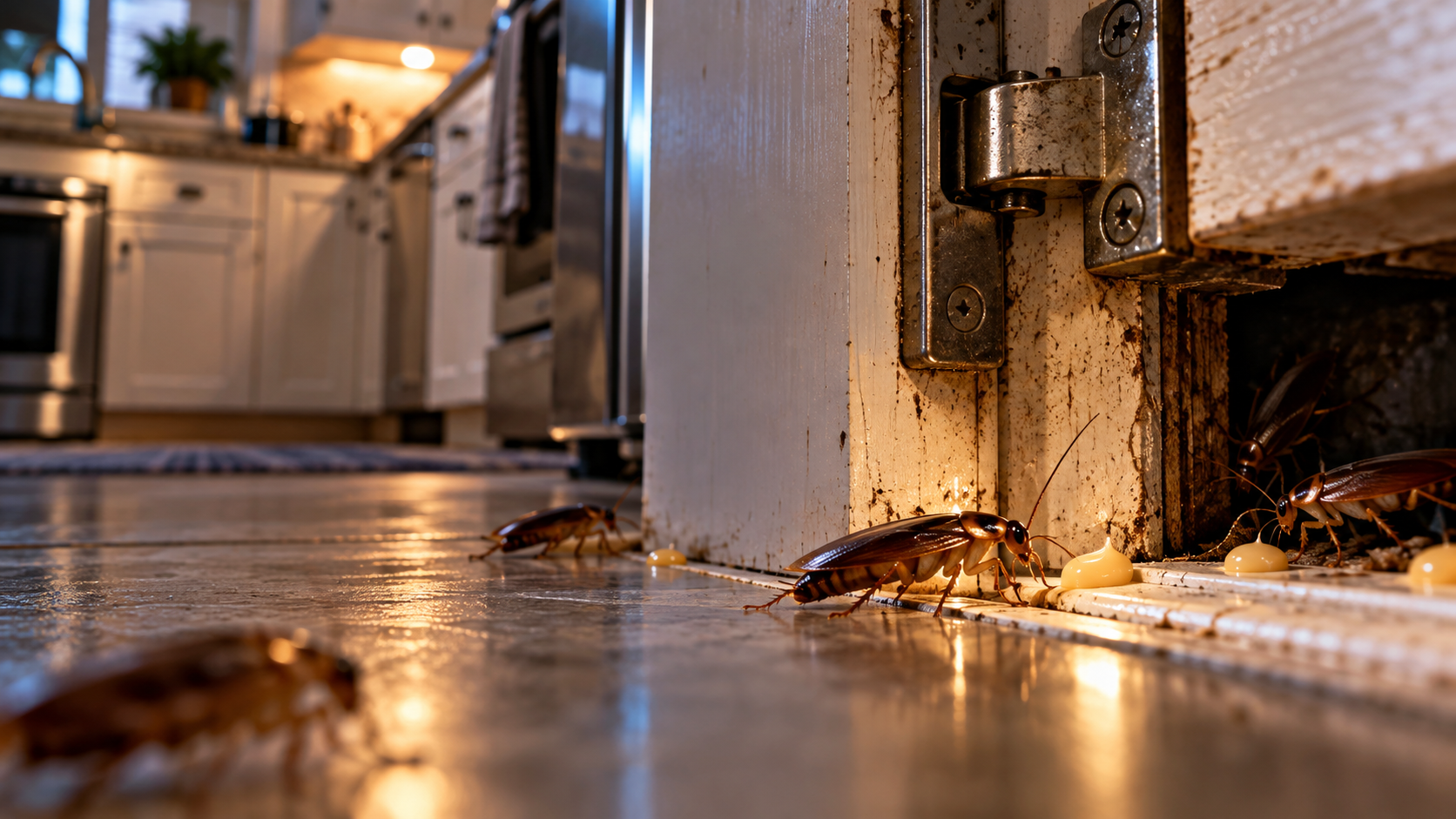
German cockroaches, for example, commonly hide in protected areas near food, warmth and moisture. That means inspection should include spaces homeowners do not routinely see.
Inspect Around:
- Refrigerators
- Dishwashers
- Stoves
- Microwaves
- Coffee makers
- Cabinet hinges and corners
- Plumbing penetrations
- Under sinks
- Pantries
- Trash areas
Cleanliness alone does not guarantee that cockroaches cannot be introduced into a property, but eliminating accessible resources makes the environment less supportive and improves the effectiveness of a control program.
If cockroaches are already reproducing inside, visit our roach and cockroach treatment page.
11. Stop Ant Problems Before Trails Become Routine
Ants can enter through extremely small openings while foraging for food or moisture.
If you see an ant trail:
- Identify what the ants are feeding on.
- Clean food residues.
- Store sweets and other attractive foods securely.
- Check for moisture around sinks and plumbing.
- Watch where the trail enters the room.
- Inspect the corresponding exterior area.
Avoid assuming all ants should be treated in exactly the same way. Correct species identification can influence the treatment strategy.
For recurring colonies, see our ant control services in Greenville and Pitt County.
12. Eliminate Standing Water to Reduce Mosquito Breeding Sites
Some mosquito species can develop in surprisingly small amounts of standing water.
Inspect outdoor areas routinely during mosquito season and empty unnecessary water from:
- Buckets
- Plant saucers
- Children’s toys
- Tarps
- Unused containers
- Wheelbarrows
- Clogged gutters
- Discarded tires
- Birdbaths that are not being maintained
Also investigate drainage areas that repeatedly hold water after rainfall.
Learn more about our mosquito control services in Greenville, NC.
13. Inspect Packages, Boxes and Used Items Before Bringing Them Inside
Not every pest enters through a crack in the foundation.
Some pests can be transported into homes in:
- Cardboard shipping boxes
- Used furniture
- Appliances
- Groceries
- Luggage
- Storage containers
- Plants
- Firewood
Inspect used furniture and appliances carefully before bringing them indoors, particularly when the item’s history is unknown.
Break down unnecessary cardboard rather than allowing shipping boxes to accumulate for long periods.
14. Do Not Let Pet Areas Become Pest Feeding Stations
Pet food and water can become accessible resources for ants, cockroaches and rodents.
Keep pet-feeding areas clean, store bulk food in suitable closed containers and clean spilled food around bowls.
Pets can also play a role in flea and tick activity, so coordinate home and yard prevention with appropriate veterinary flea and tick care for the animal.
15. Maintain Gutters, Downspouts and Exterior Drainage
Gutters are easy to overlook because they are above eye level, but clogged or damaged gutters can allow water to remain near rooflines or foundations.
Periodically check that:
- Gutters are draining properly.
- Downspouts discharge appropriately.
- Water is not repeatedly pooling against the foundation.
- Leaves and debris are not creating damp harborage.
- Roof drainage is not contributing to crawlspace moisture.
Moisture correction can support both building maintenance and pest prevention.
16. Manage Exterior Lighting With Pest Activity in Mind
Exterior lights can attract flying insects, particularly around doors, porches and windows. Those insects may in turn provide food for spiders and other predators.
Where practical, avoid unnecessary nighttime lighting directly beside frequently opened entrances. Make sure window and door screens are intact, and remove persistent webbing where it creates a nuisance.
The goal is not to eliminate beneficial insects outdoors, but to reduce the conditions that draw large numbers directly toward entry points.
17. Monitor Instead of Waiting for an Infestation
Monitoring is one of the most overlooked parts of prevention.
You do not need to dismantle your house every week. Instead, periodically check the locations where pest activity is most likely to become visible.
High-Value Monitoring Areas
- Under kitchen and bathroom sinks
- Behind appliances
- Pantry corners
- Garage walls and doors
- Crawlspace access areas
- Attics
- Utility rooms
- Exterior foundation lines
- Trash areas
- Pet-feeding areas
Look for insects, droppings, gnawing, mud tubes, webbing, shed skins, nesting material, moisture or new structural openings.
Early detection can make it easier to determine where the problem began.
18. Know When DIY Prevention Is Enough—and When It Is Not
Many preventive tasks are reasonable homeowner maintenance:
- Cleaning food spills
- Managing garbage
- Repairing screens
- Replacing door sweeps
- Eliminating standing water
- Reducing clutter
- Correcting minor plumbing leaks
- Trimming vegetation
Professional evaluation becomes more important when there is evidence of an established infestation, the pest cannot be confidently identified, activity is occurring inside inaccessible areas, structural pests are suspected, or repeated DIY attempts have failed.
Examples include:
- Termite mud tubes or swarmers
- German cockroach infestations
- Persistent rodent activity
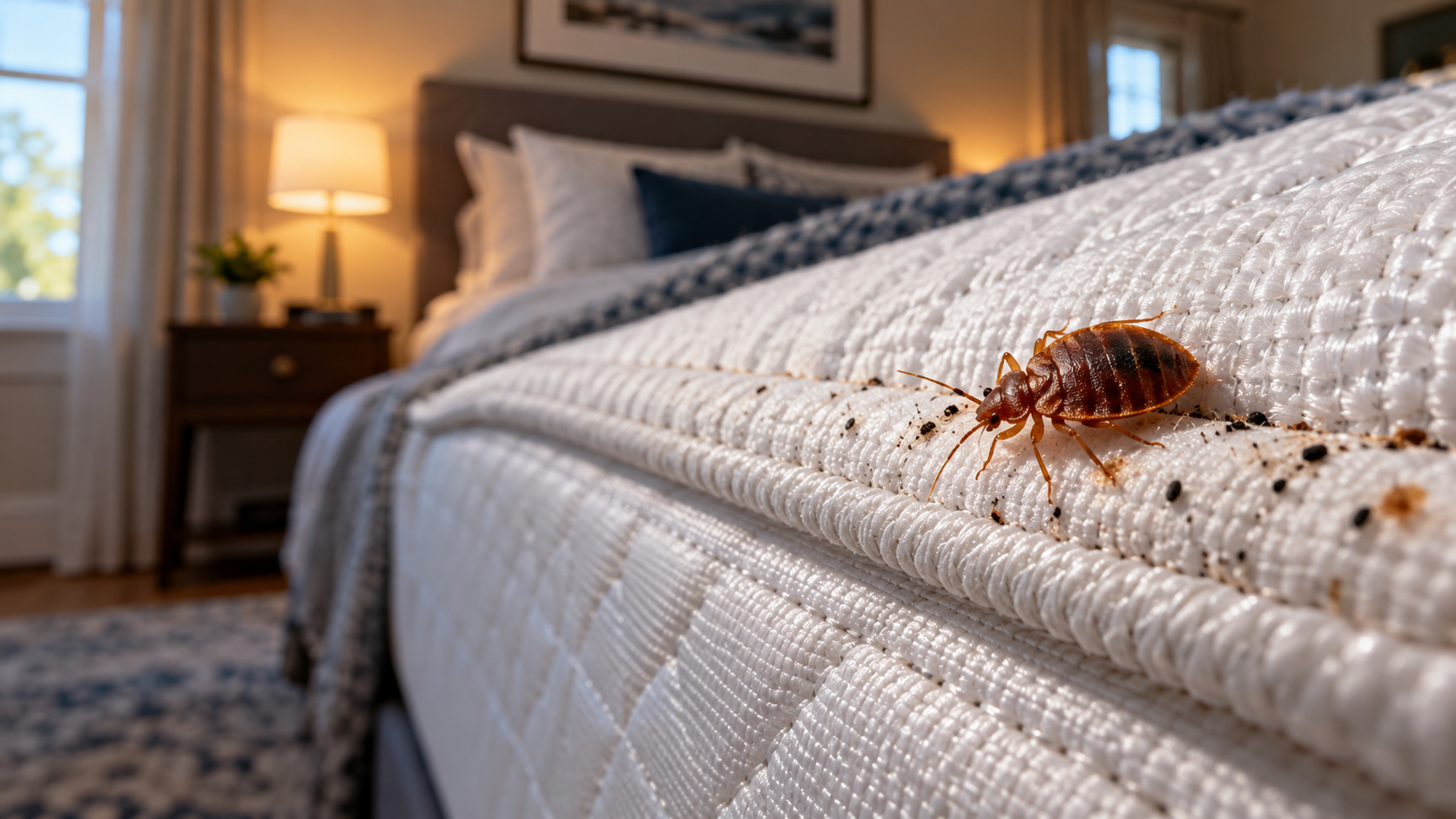
- Bed bugs
- Recurring ant colonies
- Heavy flea infestations
- Pests in wall voids or inaccessible crawlspace areas
- Recurring infestations despite sanitation and exclusion
19. Use Pesticides Carefully and According to the Label
Pesticides can be useful tools when they are appropriate for the pest and situation, but more product does not automatically mean better pest control.
Homeowners using pesticides should:
- Read and follow the entire product label.
- Confirm the pest is listed on the label.
- Confirm the intended application site is permitted.
- Never use products labeled only for outdoor use inside the home.
- Follow stated application rates.
- Observe re-entry and other precautions.
- Keep products properly stored.
- Keep children and pets away as directed by the label.
- Never transfer pesticides into food or beverage containers.
EPA guidance likewise recommends trying pest-prevention measures first and using pesticides responsibly when they are needed.
For more information, see the EPA’s consumer pest-control guidance.
20. Think Seasonally, Not Just When You See Bugs
Pest pressure changes during the year, so your prevention priorities should change with it.
| Season | Prevention Priorities |
|---|---|
| Spring | Inspect for termite swarmers, ants, moisture, exterior openings and early mosquito breeding areas. |
| Summer | Watch crawlspace moisture, mosquitoes, ants, cockroaches, fleas, ticks and exterior pest pressure. |
| Fall | Inspect door seals, rodent entry points, garages, attics and areas used by overwintering pests. |
| Winter | Monitor indoor cockroaches and rodents, inspect storage areas, seal openings and prepare for spring pest activity. |
A year-round strategy is usually more effective than waiting for the same infestation to return every season.
A Simple Monthly Pest-Prevention Checklist
You can make pest prevention easier by incorporating it into normal home maintenance.
- Check beneath sinks for moisture.
- Inspect pantry and food-storage areas.
- Clean beneath or beside one major appliance.
- Check exterior trash and recycling areas.
- Walk the foundation for new openings or pest evidence.
- Check doors and weatherstripping.
- Inspect for standing water.
- Look at crawlspace conditions if safely accessible.
- Check garage storage and cardboard accumulation.
- Look for rodent droppings or gnawing.
- Check for recurring ant trails.
- Note anything that has changed since the previous inspection.
The objective is not perfection. It is catching changes before they support a larger problem.
Why Recurring Pest Problems Often Return
If the same pest repeatedly comes back, there is usually a reason.
Possibilities include:
- An untreated nest or breeding site
- A structural entry point
- A recurring plumbing leak
- Crawlspace moisture
- Accessible food
- Garbage conditions
- Neighboring or adjoining-unit pest pressure
- Heavy exterior populations
- Repeated introductions in boxes or belongings
- An incorrect pest identification
- A treatment method that does not fit the species
Repeatedly treating visible pests without identifying the source can create a cycle of temporary improvement followed by renewed activity.
Where Professional Preventive Pest Control Fits
A professional pest-control program can add another layer of protection by combining routine inspections, monitoring and targeted treatment with homeowner prevention.
Depending on the property, professional service may focus on:
- Exterior perimeter areas
- Entry points
- Cracks and crevices
- Known pest harborage
- Interior areas with confirmed activity
- Monitoring devices
- Web removal where applicable
- Rodent activity
- Sanitation recommendations
- Moisture-related pest conditions
D & D Pest Control Co. currently offers both monthly and quarterly pest-control service options for Greenville and Pitt County properties. The appropriate frequency depends on pest activity, property conditions and the level of ongoing pest pressure.
Learn more about our monthly and quarterly pest control services in Greenville, NC.
Long-Term Pest Prevention in Greenville, NC
There is no single product that can make every home permanently pest-free. Properties change. Weather changes. Pest populations change. Doors wear out, plumbing leaks develop, vegetation grows and new items are brought into the home.
That is why long-term protection is better viewed as a process:
- Inspect the property.
- Identify the pest correctly.
- Remove food and water where practical.
- Reduce shelter and clutter.
- Seal appropriate entry points.
- Correct moisture conditions.
- Treat when necessary and appropriate.
- Monitor the results.
- Adjust the plan as conditions change.
This prevention-first approach can help homeowners reduce recurring ants, cockroaches, rodents, spiders and other nuisance pests while making professional treatment more focused when it is needed.
Frequently Asked Questions About Pest Prevention in Greenville, NC
What is the best way to keep pests out of my Greenville home?
Start by removing the basic resources pests need: food, water, shelter and entry. Store food securely, keep kitchens and trash areas clean, repair plumbing leaks, reduce clutter, maintain door sweeps and screens, seal appropriate openings and monitor crawlspaces, attics and garages. The best prevention program combines multiple strategies rather than relying on a single pesticide treatment.
How often should I inspect my home for pest problems?
Homeowners can perform simple visual checks throughout the year and more thorough inspections when seasons change. Kitchens, bathrooms, garages, crawlspaces, attics, exterior foundations and storage areas deserve particular attention. Properties with previous infestations or significant moisture conditions may benefit from more frequent monitoring.
Why do pests keep coming back after I spray them?
The pesticide may be killing visible pests without correcting the source of the problem. An active nest, moisture source, food supply, entry opening or hidden breeding location may remain. Correct identification and inspection are often necessary when the same pest repeatedly returns.
Does keeping a clean house prevent all pests?
No. Good sanitation can significantly reduce food and shelter for many pests, but clean homes can still experience termites, rodents, bed bugs, ants and other pest problems. Structural openings, moisture, neighboring infestations and pests accidentally transported indoors can occur regardless of housekeeping.
Can crawlspace moisture cause pest problems?
Excess crawlspace moisture can create conditions favorable to several pests and can contribute to wood deterioration or fungal growth. Plumbing leaks, standing water, damp soil, poor drainage and condensation should be investigated. Moisture correction is often an important part of long-term pest prevention in crawlspace homes.
How can I prevent mice from entering my home?
Inspect exterior doors, garage doors, crawlspace openings, vents and utility penetrations for gaps. Use appropriate rodent-resistant materials when correcting openings, keep food secure, reduce clutter and monitor garages, crawlspaces and attics for droppings or gnawing. Established rodent activity may require trapping and professional exclusion recommendations.
How can I prevent cockroaches?
Reduce accessible food and water, clean beneath appliances, repair plumbing leaks, limit cardboard clutter, manage garbage and inspect items brought into the home. If German cockroaches become established indoors, sanitation alone will usually not replace an appropriate treatment and monitoring program.
Does pest control need to be performed year-round?
Not every property needs the same service schedule. Some isolated problems can be addressed individually, while properties with recurring or high pest pressure may benefit from ongoing monitoring and preventive service. Monthly and quarterly programs should be selected based on the property, target pests and actual conditions rather than automatically using the same schedule for every home.
Will sealing cracks completely eliminate pest problems?
Exclusion can significantly reduce pest entry, but it is one component of a larger prevention program. Pests may enter through multiple routes or be brought inside with belongings, packages or furniture. Food, moisture and harborage conditions should also be addressed.
When should I call a professional pest control company?
Consider professional assistance when you cannot identify the pest, an infestation continues despite preventive measures, rodents are active inside the structure, termites are suspected, German cockroaches or bed bugs are present, or activity is occurring in inaccessible locations. A professional inspection can help determine the pest, source and appropriate treatment strategy.
Need Help Keeping Pests Out of Your Greenville Home?
Good pest prevention starts with what you can control around the property—but persistent infestations sometimes require professional inspection and treatment.
D & D Pest Control Co. provides residential and commercial pest-control services throughout Greenville and surrounding Pitt County communities. We help identify active pest problems, evaluate contributing conditions and recommend treatment and prevention strategies appropriate for the property.
D & D Pest Control Co.
NC Structural Pest Control License #1274 PW
Serving Greenville, Winterville, Ayden, Farmville, Grifton and surrounding Pitt County communities.
Office: (252) 523-8255
Manager: (252) 531-0621